Ceiling collapses may seem rare, but they happen more often than people think. Apartments, homes, offices, retail stores, hotels, and even schools—ceilings come down everywhere. While they might not always make the news, they are a real danger. Sudden and terrifying, when chunks of drywall, plaster, or even heavy wooden beams come crashing down, there can be serious and life-altering consequences.
Collapses are caused by common villains, including poor maintenance, water damage, structural defects, and faulty construction. According to the National Association of Home Builders, approximately 28% of structural failures in buildings are due to ceiling collapses, mostly caused by poor maintenance or construction. Another study by the Occupational Safety and Health Administration (OSHA) found that over 10,000 ceiling and roof collapse incidents happen annually in the United States, leading to severe injuries and fatalities.
Unfortunately, many ceiling collapse injuries occur in older and poorly maintained apartment buildings within many of New Jersey’s largest cities. For over 40 years, the lawyers at Davis, Saperstein & Salomon, P.C. have held negligent apartment building owners and slumlords responsible for ignoring complaints about water leaks and structural deficiencies leading to ceiling collapses in communities such as Newark, Paterson, Irvington, Trenton, Jersey City, New Brunswick and many other New Jersey communities.
Injuries from a ceiling collapse depend on various factors. For example, how many people were there, what caused the collapse, and how severe the damage is. What’s shocking? The most common injuries are head and traumatic brain injuries from debris falling and striking the head, causing concussions, skull fractures, or even permanent brain damage. The Centers for Disease Control and Prevention (CDC) reports that falling objects, including ceiling debris, contribute to nearly 50,000 head injuries each year. Spinal cord injuries are common, along with broken bones, neck and back injuries, and lacerations. Internal injuries from blunt force trauma are also associated with these accidents. These injuries can lead to expensive medical bills, lost wages, permanent disabilities, and immense pain and suffering.
Many people assume that if a ceiling collapses, the case is straightforward—someone must be responsible. Unfortunately, these cases are rarely simple. Determining who is liable is difficult because multiple parties could be sharing responsibility, like the landlord, property owner, or contractor. To prove negligence, the responsible party had to fail to maintain the property or ignore signs of structural weakness. Gathering this evidence is critical and should include paperwork like building inspection reports, maintenance records, tenant complaints, and construction permits.
If the ceiling that fell was owned and maintained by a housing authority, you may be subject to a strict 90-day deadline to put the owners on notice of your intention to bring a claim known as a New Jersey Torts Claim Notice. This must be made on a special form and mailed to a special address. If you have been injured by a ceiling collapse, it is best to take immediate action to contact an experienced lawyer who has handled ceiling collapse cases.
If you or a loved one has been injured in a ceiling collapse, take these steps immediately. Seek medical attention because your health comes first, even if you don’t feel seriously hurt immediately. Document everything by taking photos and videos of the damage, your injuries, and anything that could be evidence. Report the incident by notifying the property owner, landlord, or building management in writing. Most importantly, contact a personal injury lawyer so they can fight for the compensation you deserve.
You don’t have to face it alone. If negligence played a role in your injury, you have the right to seek justice. When taking on a ceiling collapse case, our attorneys at Davis, Saperstein, and Salomon. PC move quickly to protect our client’s rights. We investigate and work with experts, including structural engineers, contractors, and medical professionals, to prove cause of the collapse and the full extent of injuries. As experienced personal injury lawyers, we’re here to fight for you, hold negligent parties accountable, and help you rebuild your life. If you or someone you know has been injured in a ceiling collapse, don’t wait—reach out for a free consultation today.
Whether you have been injured at work, in a car accident, slip and fall, a fire, or require representation for a claim, the personal injury attorneys at Davis, Saperstein & Salomon, P.C. offer compassionate, skilled legal representation to ensure you receive the compensation you deserve. Clients seeking experienced personal injury lawyers in Teaneck, NJ, or the surrounding Bergen County area can contact Davis, Saperstein & Salomon, P.C. at 1-800-LAW-2000 or via email at info@dsslaw.com. The firm offers free consultations, and second opinions, and has offices throughout New Jersey and New York City.
Super Bowl Sunday is one of the most anticipated events of the year, bringing together friends, families, and football fans for a day of excitement, celebration, and camaraderie. However, amid the cheers and halftime entertainment, there is a serious, often overlooked danger: impaired driving. The combination of alcohol consumption, late-night celebrations, and post-game commutes makes Super Bowl Sunday one of the most dangerous days on U.S. roads.
According to the National Highway Traffic Safety Administration (NHTSA), 45% of all fatal crashes on Super Bowl Sunday in 2022 involved alcohol, underscoring the urgent need for proactive safety measures. In response, Mothers Against Drunk Driving® (MADD), Diageo, the NFL, and Uber have joined forces to launch the “Take a Minute. Make a Plan.” campaign—an initiative designed to encourage fans to spend just 60 seconds arranging a safe ride home before celebrating.
One person who understands the devastating consequences of impaired driving firsthand is MADD National Ambassador Steven Benvenisti, a survivor, advocate, and personal injury attorney. Benvenisti’s story serves as a powerful reminder of why safety must be a priority during major celebrations like the Super Bowl.
Steven Benvenisti’s Story: A Survivor’s Mission to End Impaired Driving
In March 1989, while walking with his college friends during spring break in Florida, Benvenisti was struck by a drunk driver’s vehicle. The force of the impact threw Benvenisti’s unconscious body more than 70 feet. The impact left him with a severe traumatic brain injury, intracranial hemorrhaging, and crushed legs below the knees. He fell into a coma for nearly two weeks and spent five months in the hospital, enduring 15 grueling surgeries. His injuries were so severe that doctors asked his parents to consent to his organ donation. Miraculously, Steven Benvenisti fully recovered from all of his injuries.
Despite this harrowing experience, Benvenisti turned his tragedy into a lifelong mission. Now a distinguished personal injury attorney and partner at Davis, Saperstein & Salomon, PC, he dedicates his career to representing victims of impaired driving and advocating for safer roads. His message is clear: every impaired driving crash is 100% preventable.
“I know firsthand the devastation that impaired driving can cause,” says Benvenisti. “No one should ever have to experience what I went through—or worse, lose a loved one—because someone made the reckless decision to drive under the influence. Nationwide, impaired driving fatalities have risen 33% since 2019, making it more important than ever for all of us to take action. The Super Bowl is a time for celebration, and everyone plays a role in keeping our roads safe. By taking just one minute to plan a safe ride home, we can all help prevent impaired driving, protect and save lives.”
The Reality of Super Bowl Sunday: Impaired Driving Increases
With an estimated 325+ million gallons of beer consumed on Super Bowl Sunday, the risks of impaired driving significantly increase. Pre-game gatherings often involve drinking as fans prepare for the game with food and beverages. Halftime celebrations mark a peak in alcohol consumption as excitement builds. Finally, post-game commutes pose one of the greatest dangers, as fans head home after hours of drinking, often impaired and unable to drive safely.
Benvenisti stresses the importance of planning ahead, noting that not doing so can have life-changing consequences.
“Every single impaired driving crash is preventable. There is always a better option—whether it’s using a designated driver, calling a rideshare, or staying where you are. Making a plan before the game even starts could mean the difference between life and death.”
“Take a Minute. Make a Plan.”: A Campaign to Save Lives
To combat the dangers of impaired driving on Super Bowl Sunday, MADD, Diageo, the NFL, and Uber are reminding fans to make safety a priority. The “Take a Minute. Make a Plan.“ campaign is a simple but powerful reminder: before the game starts, take 60 seconds to arrange a safe way home.
Ana Fitzgibbons, Director of Alcohol in Society at Diageo North America, emphasizes the importance of reaching fans at key decision-making moments:
“The ‘Take a Minute. Make a Plan.’ campaign encourages fans to plan ahead for safe transportation before the game even starts. By working with sports venues, bars, and our partners, we are placing this message at critical decision-making moments—from early arrivals to post-game wind-downs—so fans have the resources and reminders they need. This approach ensures that planning ahead becomes as seamless and natural as enjoying the game itself.”
Beyond in-venue activations, the campaign is integrated into the NFL’s platform, ensuring its message reaches fans across multiple platforms.
“We’ve partnered with the NFL to integrate the ‘Take a Minute. Make a Plan’ message throughout their platform, including talent integrations on both CBS and FOX during key games in December and leading up to the Super Bowl. Together with the NFL, MADD and Uber, we have been able to amplify this message across trusted voices and channels – Pre-game shows, The Madden Show, partner social channels, streaming platforms, etc. – and create a powerful surround sound that encourages fans to make safe transportation planning a seamless part of their game-day traditions. By weaving this message into the gameday experience, we make it just as natural as donning team colors or organizing a watch party.”
Benvenisti reinforces the importance of taking just one minute to plan ahead: “Considering that the average football fan spends 690 minutes per week thinking about the game, dedicating just one minute to making a responsible decision is a small effort that can have a life-saving impact.”
Practical Super Bowl Safety Tips
To ensure a safe and enjoyable Super Bowl experience, follow these key safety tips:
1. Plan Your Ride in Advance
Before the game begins, decide how you’ll get home safely. Options include:
Designating a sober driver
Using rideshare services like Uber or Lyft
Taking public transportation
Staying overnight if needed
2. Look Out for Friends & Family
If you notice someone attempting to drive impaired:
Take their keys and help them find an alternative ride
Offer them a place to stay
Call a rideshare or a taxi for them
3. Be Aware of Other Drivers
Even if you are sober, be vigilant on the roads:
Drive defensively and anticipate impaired drivers
Watch for erratic driving behaviors (swerving, sudden stops, slow speeds)
Report suspected impaired drivers to authorities
4. Host Responsibly
If you’re hosting a Super Bowl party:
Provide non-alcoholic drink options
Encourage guests to arrange transportation before drinking
Offer to call a rideshare for guests who have been drinking
Let guests stay overnight
“Every time you take a minute to plan a safe ride, you are making a life-saving decision. I survived an impaired driving crash, but countless others never got that second chance. This Super Bowl Sunday, let’s commit to safety—not just for ourselves, but for everyone on the road,” said Benvenisti.
For more information on the “Take a Minute. Make a Plan.” campaign and resources to help you plan ahead, visit www.TakeAMinuteNow.com
One of the benefits of hiring a qualified injury attorney early on is to collect crucial evidence necessary to win your case. Insurance companies have already started their investigation, and you want to get ahead of the curve. You need a lawyer who knows what facts they need, where to find those facts, and how to preserve them to win your case. The good news is that you can hire the most qualified and experienced personal injury law firm on a contingent fee basis, meaning you will not have to pay them any money unless your case is won.
Collecting evidence is crucial to your car accident case. If you can’t prove that the other party is responsible for what happened, you might have trouble winning your lawsuit. And you cannot always count on the police to get it right. Many times, police reports are inaccurate or incorrect.
If you were unable to collect evidence when the accident happened, you still have hope for receiving money damages to help with your injuries and losses. If you’re looking for someone to help you after a car accident, you’ve come to the right place.
The best way to preserve evidence is to hire an experienced personal injury lawyer as soon as possible whose law firm has a proven track record of winning personal injury cases on behalf of their clients. Our 45 years of experience have taught us exactly what needs to be done. Our lawyers, who are experienced in car accidents and truck accidents, know how to preserve evidence before it disappears, contact witnesses while the memory is fresh, and fully document the scene so it can be reconstructed before a jury.
Our $1 billion track record of success in helping more than 35,000 families achieve justice speaks for itself.Contact Davis, Saperstein & Salomon, P.C. today to speak with a New Jersey car accident lawyer and learn more about how we can help.
Why Is Preserving Evidence in a New Jersey Car Accident Case Important?
Preserving evidence in a car accident case makes it possible for victims to prove what happened. If you sustain severe injuries or property damage, youcould be entitled to seek money from the at-fault driver. Documenting the accident scene, collecting witness statements, and keeping medical records enables you to establish the facts of your case. Strong evidence can support your claim for the funds you need to cover all your crash-related expenses and losses.
If you were involved in an accident with a commercial vehicle like a truck or bus, some of the evidence that needs to be preserved is the bus or truck’s dash cam, the data recorder aka black box, which keeps track of time, speed, and braking records.
Examples of Car Accident Evidence
Some key examples of evidence that could be useful in your claim include:
Photographs—Photos can illustrate the severity of the crash and show factors like skid marks or road signs that might have influenced the accident.
Witness Statements—Witnesses can independently confirm important details, such as the speed of the vehicles, traffic light status, and the driver’s actions before the crash.
Physical Evidence—Physical items like broken car parts or debris from the crash can support claims about the impact and circumstances of the accident.
Video Footage—Videos can provide real-time evidence of the crash dynamics and compelling proof for verifying or disputing claims about how the accident occurred.
Medical Records—Medical records can link your injuries to the accident and document their extent and severity, which is essential for validating claims for medical expenses.
Motor vehicle data recorders/black boxes—These devices can record valuable data such as vehicle speed, whether the driver applied brakes, which direction the steering wheel was turned, and more. This information is crucial when arguing that the other driver was at fault for the crash.
How to Preserve Evidence at the Accident Scene
People often take photographs of property damage and the position of the vehicles at an accident scene. If you can take photographs, you should preserve them and send them to your attorney as soon as possible. If you recall the other drivers taking photographs, please share that information with your lawyer, who will ask the defendants to preserve their photographs as well because they may be helpful in winning your case.
Preserving evidence at the scene of a car accident in New Jersey starts right after the crash occurs. If you remember names and contact details from witnesses, share that with your lawyer as well. If it’s safe, gather any physical evidence demonstrating what happened. Finally, remember to keep all documents and receipts related to the accident, as they could be vital to your car accident claim.
What If I Was Too Hurt to Collect Evidence?
If you were too hurt to collect evidence at the scene of a New Jersey car accident, don’t lose hope. Your health should always be the priority, and you still have options. For instance, you could ask someone else, like a friend or a witness, to take photos and gather information for you after the fact. Additionally, you can request a copy of the police accident report, which will include useful details about the accident.
Finally, an experienced car accident attorney can request body camera video and audio from the accident scene captured by police officers’ vehicle dash cams and personal body cameras. Your lawyer will, if necessary, arrange for witnesses to be interviewed.
How Can a Lawyer Help With My Car Accident Case?
In many cases, you may be unable to gather evidence yourself, especially in severe car accident cases. This is where an experienced attorney steps in. They can investigate the scene of the crash to piece together what happened. They can speak to nearby stores and businesses to collect surveillance footage. They can collect phone records to determine if the other driver was texting during the accident. An experienced firm can collect the evidence your case needs to determine fault.
A lawyer can provide substantial support in your New Jersey car accident case. They will handle all the legal details while you focus on your physical recovery. They will gather and analyze evidence to strengthen your claim. They will also deal directly with insurers to keep the pressure off you. Additionally, if your case goes to court, your lawyer can represent you and argue persuasively for the results you deserve.
Contact Our New Jersey Car Accident Lawyers to Learn More
Do you need a trusted hand to help you after a car accident in New Jersey? If so, you’ve come to the right place.
Reach out to Davis, Saperstein & Salomon, P.C., for a free initial consultation. We will collect valuable evidence, build a strong case on your behalf, and seek the money you need. There’s no charge to meet with us, and you won’t owe any fees unless we win.
On November 24, 2024, a man was critically injured in a devastating fire at an apartment complex in Lodi, New Jersey. The victim had severe burns and was admitted to critical condition at Hackensack University Medical Center in Hackensack, New Jersey. While the investigation continues it raises concerns and highlights a key issue for renters: possible landlord negligence.
Landlords have a legal duty to keep their properties safe for tenants, and if they don’t meet these standards, they can be responsible for injuries or damages caused by the fire or accident. This includes injuries like serious burns, smoke inhalation, broken bones from falls during evacuation, and respiratory issues from toxic fumes. These can have lasting physical, emotional, and financial impacts on victims and their families. If a landlord’s negligence increases the risk of fire or accident, there may be grounds for a personal injury lawsuit.
How to Identify Landlord Negligence
If you’ve been injured in an apartment fire, it’s important to think about what steps to take to cover medical bills, lost wages, pain and suffering disfigurement. You should contact an experienced personal injury burn lawyer, especially if the fire is caused by landlord negligence or unsafe conditions. Some signs of landlord negligence are a lack of fire extinguishers, defective batteries in smoke detectors, unclear escape routes, broken mold detectors, and other factors that cause injury. If the landlord ignores these problems or does not have regular safety checks, it shows negligence. Also, there could be a claim if the landlord did not take reasonable steps to prevent the fire, like missing regular safety inspections.
According to Samuel L. Davis, Esq., an attorney certified by the Supreme Court of New Jersey as a Civil Trial Attorney, and founding partner of New Jersey’s Davis, Saperstein & Salomon, PC, who is an expert in litigating burn and explosion cases, “There are no greater, or more serious injuries than burn injuries.” Davis further remarked, “Representing burn injury victims throughout the years has given me a unique understanding of the complex medical injuries and damages suffered by a victim of a fire or explosion.” An experienced personal injury burn lawyer will investigate the cause and origin of a fire and navigate the legal process while fighting for the compensation you deserve.
New Jersey’s Landlord-Tenant Laws
New Jersey’s landlord-tenant laws protect tenants by holding landlords accountable for keeping up with their properties so they are safe and livable. One key law that must followed is the “Implied Warranty of Habitability” (NJSA 46:8-1). It states that rental properties must be free from health and safety dangers, and if a tenant is hurt because of unsafe conditions (such as broken steps, exposed wires, or mold) the landlord could be held responsible. New Jersey law also requires landlords to fix problems quickly once notified, or tenants can take legal action. If the landlord doesn’t make repairs on time, they can be held responsible for negligence after an accident occurs.
What to Expect from a Personal Injury Burn Lawyer
When a personal injury lawyer is hired to investigate landlord negligence, they take immediate, thorough steps to build a strong case for their client. They visit the property, take pictures, preserve valuable evidence, check for dangerous conditions, and review maintenance records to see if the landlord neglected repairs or violated safety standards. The lawyer will carefully examine the accident site and interview victims and witnesses to gather details about the fire. They may also consult with experts, such as building inspectors, to assess whether the property met safety codes. In New Jersey, where landlords have clear legal standards for their properties, investigations are critical to proving negligence and helping injured tenants secure the compensation they deserve. Often an experienced burn injury lawyer will hire an expert, like a cause and origin expert, who determines the conditions that led up to the fire and how the actual fire started. Understanding these laws can help fire victims receive justice when injured by a landlord’s neglect.
Contact Our New Jersey Personal Injury Attorneys for Help
Although it’s unknown if landlord neglect caused the tragedy in Lodi, it still serves as a reminder that landlords and tenants must take fire safety seriously. If you’ve been injured in an apartment fire, you may be entitled to compensation for your pain and suffering. Whether you have been injured in a car accident, slip and fall, a fire, or require representation for a claim, the personal injury attorneys at Davis, Saperstein & Salomon, P.C. offer compassionate, skilled legal representation to ensure you receive the compensation you deserve. Clients seeking experienced personal injury lawyers in Teaneck, NJ, or the surrounding Bergen County area can contact Davis, Saperstein & Salomon, P.C. at 1-800-LAW-2000 or via email at info@dsslaw.com. The firm offers free consultations, and second opinions, and has offices throughout New Jersey and New York City. Attorney Samuel Davis, who litigates and consults on burn cases nationally can be reached at 1-800-529-2000 or at Samuel.davis@dsslaw.com.
New Jersey had its deadliest year for pedestrians in 2024 with more than 200 lives being lost on New Jersey roads. This is a heartbreaking 29% increase from 2023 and the most dangerous year in the last three decades.
However, it wasn’t just pedestrians. In total, at least 687 people died in traffic-related accidents caused by cars, trucks, and buses in 2024, which is alarmingly 13.4% more than in 2023. Drivers made up 359 of those deaths, 82 were passengers, and 25 were cyclists. Essex County saw the worst of it, becoming a hotspot for these horrible accidents. Behind these statistics are people and loved ones whose death leaves both families and communities grieving.
So, what’s behind this alarming rise?
The fact is that so many more drivers are testing positive for alcohol, marijuana, or other intoxicating substances. Also, distracted driving with people texting, scrolling, or simply not paying attention, is worse than ever. Unfortunately, New Jersey already ranks as one of the top five states in the country for distracted driving, so these increases are concerning as a public safety issue.
Fixing this issue isn’t easy, but it starts with us. Stricter law enforcement on the roads, tougher penalties for driving distracted or under the influence, and more public awareness and education —especially for the younger generations— will help us to spark change.
2025 has already seen several traffic-related deaths, proving this problem isn’t going away anytime soon. No person should accept this as the norm, though. If you or a loved one has been injured or killed in a crash, you don’t have to go through it alone, and there may be grounds for a lawsuit. A personal injury lawyer experienced in representing families who have suffered a wrongful death should be consulted as soon as possible. Once hired, they will begin their investigation and work so that the client and their family members can get justice for their loss.
The money award in a wrongful death case should include the pain and suffering experienced by the deceased, financial compensation for lost earnings, and other special damages awarded to spouses and family members under certain complex circumstances.
Wrongful death cases are extremely complicated. According to Garry R. Salomon, managing partner at New Jersey’s Davis, Saperstein & Salomon, P.C and author of The Consumer’s Guide to New Jersey Personal Injury Claims, “One should take special care in hiring a wrongful death attorney because we often need to look for other deep pockets that may have contributed to the death, such as the crashworthiness of a car, or the negligence of a company for employing a high-risk driver, or even medical malpractice.”
Personal injury lawyers help their clients navigate the legal process and make sure that they get the justice they deserve. No one should suffer the consequences of an accident caused by another person’s negligence.
Whether you have been injured in a car accident, slip and fall, a fire, or require representation for a claim, the personal injury attorneys at Davis, Saperstein & Salomon, P.C. offer compassionate, skilled legal representation to ensure you receive the compensation you deserve. Clients seeking experienced personal injury lawyers in Teaneck, NJ, or the surrounding Bergen County area can contact Davis, Saperstein & Salomon, P.C. at 1-800-LAW-2000 or via email info@dsslaw.com. The firm offers free consultations, and second opinions, and has offices throughout New Jersey and New York City.
This holiday season, Sam Davis, a Founding Partner of Davis, Saperstein, & Salomon P.C., wants to remind everyone about the importance of fire safety. With decades of experience supporting and representing burn victims, Sam recently met with Fire Chief Steve Naylis to discuss the most common types of fires and how to prevent them.
Although there are many fire dangers in the home such as candles, holiday lights, fireplaces, etc., kitchen fires can be particularly devastating. Stovetop fires can very quickly get out of hand, so learning how to put them out effectively can lessen the damages of a fire and save lives. The biggest and most dangerous mistake people make with kitchen fires is to pour water on it. Fire Chief Naylis wants to remind everyone: DO NOT POUR WATER ON A STOVETOP FIRE. The water will cause the fire to expand and explode into a much larger fire, so it’s best to use a fire blanket to smother it instead of inciting it.
If needed, here are directions for fire blanket use:
1. Assess the Situation: First, make sure the fire is manageable and not out of control. If it’s too large or spreading, evacuate immediately and call emergency services.
2. Turn Off the Heat Source: If it’s safe, switch off the stovetop burner.
3. Retrieve the Fire Blanket
4. Hold the Blanket Properly: Grip the top edges or handles of the blanket to protect your hands. Make sure the blanket is held in front of you, like a shield.
5. Approach Carefully: Move toward the fire slowly and avoid sudden air movement that might spread the flames.
6. Place the Blanket Over the Fire: Gently lay the fire blanket completely over the flames, starting from the nearest edge and moving forward to smother the fire. DO NOT throw or drop the blanket – this can fan the flames!!
7. Leave the Blanket in Place: Keep the fire blanket on the stovetop to ensure the fire is fully suffocated and cooled down.
8. Monitor for Safety: Watch for any signs of smoke, smoldering, or reignition.
Most Important! Always prioritize your safety – if the fire grows or becomes unmanageable, evacuate and call emergency services.
From Sam and all the Partners at Davis, Saperstein, & Salomon P.C., we wish you and your loved ones a happy, healthy, and safe holiday season!
Commonly found in many busy places such as shopping malls, airports, hotels, arenas, stadiums, department stores and train stations, escalators are a part of many people’s daily routines. While they may seem like a safe way to go from one floor to the next, elevators and escalators can be very dangerous machines. Children and older adults are particularly vulnerable to escalator accidents, though anyone could suffer serious injuries from a dangerous escalator. Escalator injuries are a deep concern for the attorneys at Davis, Saperstein & Salomon, P.C. Founding Partner Sam Davis sued a major department store, located in a Paramus, NJ shopping mall, and won a $15 million settlement out of court for the family of a 13-year-old girl who suffered traumatic injuries when her foot became stuck in an elevator that had been in use since 1958 at a department store in Garden State Plaza. Sam hired an escalator and elevator expert to examine the escalator, who determined that the escalator had not been properly maintained for quite some time. It is crucial to remember that escalators are not amusement park rides. They are very dangerous pieces of equipment that should be treated with respect and caution.
There are several common types of escalators, including: • Crisscross layout • Multiple parallel layout • Parallel layout
Regardless of the type of escalator you encounter, there are some warning signs of a dangerous escalator that you should be able to recognize. If you notice any of the following, do not ride the escalator:
Odd sounds.
It is important to listen to the escalator. If you hear any grinding, screeching, thumping, or any other unusual sounds, chances are there is a safety issue.
Gaps and spaces.
Do you see any wide spaces between the steps? If so, then anything can get caught in them – especially hands and feet.
Missing foot brush.
These brushes are installed to promote passenger safety by guiding passengers’ feet away from the skirt panels. When passengers stand too close to the skirt, they should feel the bristles and know to move away from the sides. If there is no foot brush, riders may not realize how close they are to the side, and there is a greater risk of injury. Smooth risers. All escalator steps should be smooth and contain no bumps. If there is any friction, there is a greater chance that soft rubber sneakers and shoes will become trapped.
Missing comb plates.
A comb plate is located on the bottom and top landings of the escalator. All of the teeth should be perfectly aligned. If any are missing, it greatly increases the chance of entrapment and injury.
Missing escalator steps.
There should never be any part of the escalator step missing. Each part of the step – the top and the sides – should be intact and sturdy, never loose or shaky.
Not only can escalators pose a risk to the public, but poorly maintained elevators can as well. A malfunctioning elevator in Wayne, New Jersey, trapped and severely injured our client when the elevator abruptly dropped several feet. After Davis, Saperstein & Salomon, P.C. partners Garry R. Salomon and Adam B. Lederman proved that the building owner and two elevator companies had been negligent in improperly maintaining the elevator, our client was awarded a $715,000 settlement.
The client boarded the elevator on the building’s third floor and, expecting a smooth descent, pressed the first-floor button. However, the elevator door had not fully shut before the elevator plunged downward. The velocity at which the elevator fell caused our client to first fall against the back wall of the elevator, and then against the floor, before the elevator finally came to a halt.
Determining and Proving Liability for a Shopping Mall Injury
People injured at a shopping mall are entitled to compensation for their medical bills, and economic losses, plus their pain, suffering, and disfigurement, but first they must prove negligence and identify the true person or business that caused their injuries. If the accident occurred in a store due to the actions of an employee, the franchise owner or store owner is potentially liable. With accidents in the mall’s common areas, such as the food court, restroom, or walkways between stores, the mall’s owner or management company could be responsible. In other cases, a third-party such as a maintenance company is at fault. To obtain compensation, an injured person must prove that the store, mall, or another responsible party knew or reasonably should have known a dangerous condition existed on their property. An experienced personal injury lawyer knows how to prove that and will likely need to show that the mall had a reasonable time to fix or warn its visitors about the hazardous condition that caused injuries.
After handling complex elevator and escalator injury cases, DSS Partner Samuel L. Davis has been selected to be a speaker at a webinar taking place on October 17, 2024, sponsored by Connectionology. Sam will teach other lawyers about liability for injury and death in pedestrian transport devices. To sign up for the webinar, visit https://connectionology.com/
With the advancement of life vest technology, man-overboard alarms, and anti-collision radar, Personal Watercraft (PWC) safety has greatly improved over the past few decades, but PWC accidents are still prevalent in New Jersey and in the United States.
Less than three weeks ago, on August 24th, recent Wayne Hills High School graduate and 18-year-old Zeina Mahafzah tragically lost her life while attempting to board a boat from a raft being pulled by the boat. She was struck by the boat’s propellor and fatally injured. The accident occurred off Harvey Cedars in Long Beach Island, near Sunset Park. Zeina was going to start her freshman year at Rutgers University-Newark the following fall. Her funeral occurred a few days later on August 28th.
New Jersey Boating Accident Statistics
In 2023, the United States Coast Guard reported 3,844 boating-related accidents, which caused 564 deaths, 2,126 injuries, and approximately $63 million in property damage. The fatality rate was 4.9 deaths per 100,000 registered recreational vessels, which is a 9.3% decrease from the 2022 fatality rate. 131 of the boating accidents occurred in New Jersey, and 7 of them were fatal. One particularly devastating accident occurred when a boat capsized in the Manasquan Inlet after being hit by a wave and caused 21-year-old Derek Narby to lose his life.
The Coast Guard found that the top five primary contributing factors in accidents were operator inattention, improper lookout, operator inexperience, excessive speed, and navigation rules violation, while the leading contributing factor in fatal boating accidents was alcohol use.
The Coast Guard also reported that, when cause of death was known, 75% of fatal boating accident victims had drowned, and of those victims with reported life jacket usage, 87% were not wearing a life jacket. Federal law requires that every person aboard a vessel must have a U.S. Guard-approved, wearable life jacket, and each state may have additional wear requirements. Most states require children under 13-years-old to be wearing the jacket while aboard a vessel.
Boating Safety Tips for New Jersey Citizens
The BoatUS Foundation, an organization that aims to promote safe boating, states that life jackets are the most important piece of equipment on a boat. Life jackets are the first line of defense in promoting water safety because they place the wearer in a face-up position, keeping the wearer’s mouth and nostrils clear of water to prevent risk from drowning. The Foundation also highlights the importance of verifying that the life jacket is properly fitted to the individual.
The Coast Guard also found that, where level of instruction was known, 75% of deaths occurred in boating accidents where the operator did not receive boating safety instruction. Only 15% of deaths occurred on vessels where the operator had received a nationally-approved boating certificate. On its website, the Coast Guard has compiled a list of safety courses available for all types of recreational boaters. Like life jackets, educational courses are another important aspect of boater safety.
Respect the power of their jet ski and obey speed limits to avoid harming others.
Never mix jet skiing and substances because it may impair your ability to safely operate your equipment and further perceive and avoid harm to others.
Always watch for bad weather conditions, especially thunder and lightning.
Take a safety instruction course and encourage passengers to do so as well.
If you have a passenger on your jet ski, be sure to explain all safety rules, especially if your water bike tips over. Before starting the jet ski, make sure your passenger is ready and is holding onto the operator tightly.
Explain to your passenger that they too can help as a second set of eyes to look out for red triangular flags indicating that a person is likely swimming in the water near a watercraft.
Contact the Boating Accident Injury Lawyers at Davis, Saperstein & Salomon, P.C. For Legal Help
If you are involved in a jet ski or boating accident, it may be because of negligence. Possible negligent parties include the operator of the boat, the operator of the colliding boat, and the boat manufacturer. You may be able to receive compensation for financial losses, medical expenses, and pain and suffering.
If you’re wondering what turning pain into purpose looks like, this story is for you. Nearly killed at age 21 by a drunk driver, Steven Benvenisti fought back from a horrific brain injury and underwent more than a dozen surgeries to repair his body. He made a vow that if he recovered he would devote his life to advocating against drunk driving. He’s done that and more, becoming an attorney helping accident victims to be compensated for their injuries. That’s all up next on Still Time for Joy, where we share practical advice for weathering life storms and inspiring stories of resilience.
Sandra: Hello I’m Sandra LaVine, host of Still Time for Joy. My guest today is Steven Benvenisti, a personal injury attorney and partner at Davis, Sapperstein, and Solomon in Teaneck New Jersey. A tireless advocate for Mothers Against Drunk Driving and president of the Board of Trustees of the Brain Injury Alliance of New Jersey. Welcome to the show Steven.
Steven: Thank you so much, Sandy. it is really my pleasure to be here with you this afternoon.
Sandy: Now we got to know each other just a little bit about 15 years ago. We were both scheduled to speak at a conference about brain injury recovery but the conference didn’t happen, so I’m so glad to be able to help you tell your story today. I’ve always been very inspired by your story, so it’s great to meet you.
Steven: And same here and I thank you.
Sandy: So I know this can’t be easy even though you’ve told the story so many times but tell us what happened to you when you were 21 years old and on spring break in Daytona Beach Florida.
Steven: I was with my friends and we were all celebrating that we were about to finish college. For myself, I was waiting for responses from law schools because I had applications that were out there. And then one night, it was actually March 20th, I was walking with my friends having no idea that while we were walking that there was a repeat offender drunk driver who was behind the wheel of a car and he was driving with his lights off at speeds that were measured to be in excess of 50mph, 5 0, and then while crossing the street he had lost control of his steering wheel, went in the wrong direction and he actually crashed into my body. From the reconstruction, I understand he crashed into my legs crushing them upon impact, my torso then smashed against the hood of his car, and there were people in the area who heard an unusual explosion sound, and that was actually the sound of my face going through his outside windshield and then my body was thrown about 70 feet before I landed face down.
Sandy: So terrible terrible injuries, I know you were in a coma for about 10 days. Describe what it was like when the accident first happened. I understand also that doctors asked your parents if they could donate your organs?
Steven: Before this happened to me, I really didn’t know much about the brain, and then after this happened to me, naturally I’ve certainly learned a lot. And I learned that when someone is in a coma, that there’s a way to measure their level of consciousness and something called the Glascow Coma score or Glascow Coma Scale, the lowest number one could be at is the number three, and then the full level of consciousness where you and I are right now is the number 15. The Journal of American Medical Association has agreed that if someone is at a three where I was at the time that their likelihood of survival is is very very low and the few reported cases where someone has survived after being such a deep coma that they were at a Glascow Coma score of three those individuals sadly are are profoundly disabled and I, unfortunately, was at that level of three, and my family received a phone call that every family prays that they’ll never get, and it was from a hospital, and the hospital was a thousand miles away, my family was in New Jersey, and it was in Daytona Beach Florida where the doctors explained all that in the most concise manner they could. They encouraged my family to come to Florida immediately and before that first phone call was over, they actually asked my parents if they would consent to my organ donation in the likely event that I passed away while they were in flight to Daytona Beach Florida. I’ve since learned that that happens quite often, even in my capacity as a personal injury attorney, when I’ve had clients who were literally so close to death. Those are the calls that are made and there is a practical benefit to getting right to the point because if they would have been disconnected or if they did not have an opportunity to speak with the only people who really had authority to speak on my behalf, my parents, then they could have lost the opportunity o harvest my organs for a donation for those who were in need.
Sandy: So did they tell them, “No, we’d like you to wait till we get there and assess the situations ourselves?”
Steven: As we all know, no parent is trained to get a phone call like that and they just said please do what you can to keep him alive and we’re going to get to Daytona Beast Florida today. They said that even though it was during probably the busiest time of the year, during College spring break. What my parents did was they went to Newark International Airport and they got a standby flight to Daytona Beach Florida. And my parents said that while they were on the airplane, they were on a flight with all these young, happy, smiling college springbreakers who were around my age and my mother thought maybe there was a chance that when they landed at the airport maybe I would be there, maybe it was all a big misunderstanding. But they got to Daytona Beach Florida within probably 8 hours and they were brought actually to see the doctors before being brought to see me, and that’s when they learned that they had almost lost me while in flight. I had what’s called a hypotension incident where my blood pressure got dangerously low but I was still alive just barely when they got to the hospital in Daytona Beach Florida.
Sandy: So I know just a little bit about brain injury and brain injury recovery because my husband actually had an acquired brain injury, nowhere near as life-threatening as your injuries, were for the length of time but in any case, I have the experience of watching his recovery and it took many many years, but I also know that so many people who have a traumatic brain injury to the extent you did really don’t make a recovery if they survive at all, both cognitively and physically, so the fact that you survived is a miracle and then that you recovered to the point you did, you have to help us understand how were you able to do that.
Steven: Well, understandably my parents were asking the doctors when they got to Florida is how they could uh do whatever the doctors recommended to try to maximize the likelihood of my just waking up from the coma. And at that initial point, it was less about what I would be like when I woke up from the coma, it was more about if I would wake up from a coma and what they could do. The doctors understandably didn’t have a lot of answers based on the medical literature then and even the medical literature nowadays, so my parents on their own bought a recording of my girlfriend and family members cheering me on, they actually got a room in the hospital so someone could be by my side continuously, and what they did is they stayed by my side while I was in a coma, playing recordings to me, talking to me, and it wasn’t until more than a decade later when the medical literature supported that that is probably the best thing a family could do when they have a loved one who’s in a coma, and that’s what they did. Interestingly, when I woke up from the coma almost two weeks later, I started to talk about many of the things that were said to me while I was unconscious in that coma, and that supports the medical literature and the author that says that this is what you should do when your loved one is in a coma. The part that was most difficult and humbling for me, was that I all of a sudden awoke from a coma being so confused, I did not know my own name at the time, I did not recognize my family, and all of the memories that I had of what I did on the vacation before the spring break, I was on other long-term memories, which were just lost. And I didn’t know if they would be forever or if it was temporary, but functionally, what was most difficult was I could no longer comprehend reading. Here I was at the top of my class academically at the College of New Jersey, known at the time as Trenton State College, and now I couldn’t read a paragraph in a book and tell anybody what it was that I just read. Words that were common to my vocabulary weren’t coming to me when I was just trying to articulate my thoughts. I wouldn’t even remember if I ate breakfast the same day. And according to the literature, then and even nowadays there is no cure to any type of brain injury, whether it’s a mild traumatic brain injury or for me, it was a severe traumatic brain injury. And that’s why I began with the word humbling, because it was humbling, it was terrifying, and I had a journey ahead of me and I just did not know how I was going to accomplish it. I was as grateful as my family was, that I was alive. I was embarrassed and humbled at the age of 21 that this was my new reality. That even after a few months, when my friends started to visit me, it was very clear to them that I had changed, and it was very difficult for me because I wanted to give the impression that I hadn’t changed, and I wanted them to remember who I was before all this happened to me. Over time in the hospital I did start to get some of the long-term memories back. I did start to remember my college experiences, of course my family and my girlfriend. I started to remember my friends. But the most difficult part was trying to function at any level when I had such a limited ability to use words that were common to my vocabulary, to comprehend reading, and to just carry on a conversation without being interrupted, without being distracted, because if that would happen, I really literally would be lost as to where I was. So I can continue but that’s essentially the summary as to where I was and what I was facing.
Sandy: But you told me that you had already been planning to go to law school and were applying to law schools before this happened, and it took you a year to finish college work that was supposed to only be six weeks, and you worked through that you kept working and working and cognitively, slowly things were coming back, but you told me when we spoke earlier that it was the first year of law school that helped you to recover because it was so demanding that it helped your brain to form new pathways. Is that correct?
Steven: That is correct. And the way it began though, I started getting responses from law schools while I was still in acute care within the first two months of me being struck by this drunk driver. And it was very unrealistic for me to even consider law school because I didn’t even have the cognitive ability to finish the last six weeks that I had left in college. I was 21 years old, I demanded that the doctors communicate directly with me, and I didn’t like what I was hearing. I didn’t like what I was hearing. Putting aside the orthopedic injuries just with regard to my brain injuries, that they could not give me any assurances with regard to my prognosis, that a simple way of putting it, there are different ways of classifying how someone’s a level of being in a coma and how severe, moderate, or mild their brain injury may be, and they said because of the amount of time that I was in a coma, I had a severe traumatic brain injury and they could not make any assurances as to what my future look like and they didn’t really have any stories to support my desire even if it was unrealistic to get back to where I was beforehand. So I had a lot of work to do. My college was kind enough to extend my senior year another year so that I could do what was necessary to finish those six weeks. My law school was kind enough to extend my acceptance to law school by one year so that I could have the rehab that I needed. But as soon as I got to law school with all of the cognitive problems that I had I questioned whether or not I even made the right decision by going to law school. I decided to take it one day at a time. Really one minute at a time. And it was not very pleasant. And for anyone out there who’s known someone who’s been to law school they can tell you that the first year of law school more so than any part of the experience, is probably the most difficult, because you’re faced with challenges that you’ve never been faced before in your college curriculum. And you’re studying at such an intense level that it feels as if you’re studying every waking moment of your of your conscious existence. So as unpleasant as that was, I was doing that in law school and then I noticed something was happening. I noticed as the days, the weeks, and the months of the first year of law school were progressing, I noticed that with that intense curriculum, with my studying literally every waking moment of my conscious existence, and it really is like that in the first year of law school, I noticed that my memory started getting better. I noticed that my ability to comprehend what I was reading was getting better. I noticed I wasn’t getting lost while I was driving. I noticed that words were coming to me when I needed them. Something very special was happening and it was that was definitely the most pleasant aspect of my first year of law school experience, but at that point, I was determined to finish law school simply because I really was thrilled to see that things were getting better. Fast forward at the time to the end of my first year of law school, I fortunately had passed all of the examinations and the first thing I wanted to do that summer while all of my friends in law school were excited to go to the beach or work in law firms, I wanted to go find a neuropsychologist. I wanted to know whether my belief that I had gotten better could be verified, whether it could be proved. So that’s somewhat I remember researching and finding a very reputable neuropsychologist, and for those of you who don’t know a neuropsychologist to this day is the only professional who through cognitive testing can adequately determine whether or not you have any cognitive deficits, especially deficits that are caused by a traumatic brain injury. So I went to the neuropsychologist. I remember as if it was yesterday and I told him my story, and I told him that I believed that I was fully recovered. He actually questioned me with regard to my self-confidence, but after a full day of neuropsychological testing, to his surprise but not to mine, he could not find anything wrong with me because of what had happened, when I sustained the severe traumatic brain injury. That gave me a lot of confidence, and it was enough confidence to immediately go back to finish my second and third year of law school. I graduated in the top portion of my class. I studied for six weeks for the bar exam. I winged the Pennsylvania bar exam. I took the New Jersey bar exam, I got very high scores on the multi-state bar exam enough for me to wave into other states without taking those states’ Bar exams. Even to tell you that, I don’t want to sound like I’m trying to toot my own horn or show off, I want to be very direct and transparent as to what was the unique variable in my recovery, and I genuinely believe to this day, other than of course the importance of people praying for me. my amazing family and the support that they gave me, and my friends and my girlfriend, what was probably unique, more unique than all the other stories was I decided to and did the first year of law school.
Sandy: Amazing, amazing, amazing. Now I understand you made a vow that if you had a full recovery. Tell me what your vow was.
Steven: And this is when I was in the hospital hearing from the doctors that, because of both my orthopedic injuries and my brain injuries, that it was a little unrealistic at the time to even think about having a full recovery, they really wanted to encourage me, that I needed to do it in smaller segments. So I made a vow at the time, when times were bad, and I said, if there was a way in spite of what it says in the medical literature, for me to have a 100% full recovery from everything that happened to my body, from everything that happened in my brain, I vowed or I should say, I pledged that I would spend the rest of my life doing everything I could do, to not only prevent drunk driving, because a drunk driver did this to me, but also to help people who were living with brain injury. And that was the vow I made back in 1989 when this happened to me when I was still 21 years old.
Sandy: And you became a personal injury attorney and you are helping others who have been severely injured to regain their lives to be compensated for their injuries. How does your own personal experience affect you as a lawyer? what do you bring to the table that others don’t?
Steven: Well, if I could just briefly bring you through that journey and that pledge that I made, that was a pledge I put a lot of pressure on myself, that if that dream was ever fulfilled that I would fulfill that pledge and I just didn’t realize it at the time as to how much would be involved for even to be for me to even come close to having the full recovery, that I dreamed of. So it began by my being in hospitals for half a year, undergoing actually 15 surgeries, undergoing all of the therapies whether it’s from cognitive therapists, physical therapists, speech therapists, there was so much to do just for me to get to a functional level and then when I got to a functional level, my goal was to get to what could objectively be said as have been having had a full recovery, and I ultimately was able to have that recovery that I dreamed of. And I started to fulfill that pledge that I made when I was in the hospital, when I was in acute care. And it started by me speaking with audiences, but I also was on track to go to law school and then ultimately become an attorney, and that’s what I wanted to do. And you know I would love to say when I speak with an audience, and I’ve spoken to to over 500 audiences since then, I would love to be able to share with you that it was my resilience and my drive to become an attorney, and that’s what pushed me to do everything that I needed to do to get to where I am. But that wouldn’t be honest, what was motivating me was that I was actually humbled so much that I was ashamed as to what had happened to me. Because of this strong driver, I was ashamed that I could no longer walk, I was ashamed that I could no longer function the way I was supposed to function at the age of 21, and although that might not be admirable, that really was my biggest motivating force to keep pushing myself, and pushing myself to try to continue to improve. And now fast forward to the present day and after my recovery and when I look back at what I’ve been through, and I’ve been representing literally thousands and thousands of clients since this has happened to me I see them going through those same journeys, different journeys. I never want to say to someone that it was less of a journey, what they are going through and have been through than what I’ve been through, because what they all have in common is that there are activities and functions that people were able to do before an event, that they were able to take for granted, and then an event happens, whether it’s a stroke whether, it’s a car crash, or something else that suddenly changes and brings that person to where they’re no longer able to do certain activities and things and functions that they were able to take for granted before. So the impact it has on me as an attorney, is I realized that when I’m representing a client, no matter what their injury is, that they lost as much as I lost when this happened to me. Someone’s ability to function fully but now they can’t function fully because of a lower back injury. That lower back injury means the world to someone. Someone who had full function of their upper extremities and now have limited functions with regard to their upper extremities. That means the world to someone who sustains a mild traumatic brain injury, who now may need to keep more lists, now who may need to read a paragraph a few more times to fully get what they read, that means the world to that individual, and the way it impacted me as an attorney is I instill in every single client that I represent that I understand that something that they treasure has been stolen from them and really the only way, In fairness, in our current legal system to really bring them a quality of life that’s been stolen from them through no fault of their own is through money damages. And that really is a way of bringing a quality of life to a person through money damages that can’t be brought to them by bringing back to their health condition, free of any injuries or disabilities that they were before the trauma that brought them to my office.
Sandy: So you come to the table with a tremendous amount of understanding from your own personal experience and a tremendous amount of compassion, and what most people don’t realize when somebody has a brain injury, cause my husband and I have lived through this, even when things look fine, even when somebody physically makes a very good recovery, even cognitively when they come back a long way, or in your case all the way, generally, your life is still changed. They talk about new normal and you have to make adjustments, you’re forced to make adjustments to live with things that are different than they were before, and most of your friends and family, even if they know you well may not understand what you’ve been through and what you’ve lost, so kudos to you for bringing that level of compassion and understanding to your work.
Steven: Thank you, and I think a lot of it is because it was just so humbling and my heart goes out to people who are living with a brain injury because it really is an invisible injury. And of course, when they’re interacting with someone, a person has expectations that that person who sustained injury is going to be able to function at the same level that a reasonable person would function. Or what they would necessarily expect a person to function at and what they start to realize at least the people who’ve been injured, is that people that they’re interacting with start to recognize that something is different. And unfortunately, what that creates for the victim is a very lonely reality, and what it does is it reinforces that person to maybe not put themselves out there as much as they should. And you know, my message to people, if I may, getting better isn’t what I’m most grateful for, what I’m most grateful for is that my experience helped me realize that the only definition of success in life is being happy, and I recognize a lot of people think well, no, definition of success in life is when you have wealth for example, and my response to them is well let’s look at all the wealthy people in our society, whether it’s famous performers, actors, actresses, athletes, these same groups of individuals who have a high prevalence of wealth also have a high prevalence of depression, drug use, even suicide, so it’s definitely not wealth. sSme people will say no, it’s when you have your good health, my response to them is look at these people out there whether they’re young people, or otherwise who are blessed with good health, but they still haven’t found happiness, so without trying to really send the wrong message with regard to what getting better can bring to a person, it really doesn’t matter if a person has not found happiness, and what I started to realize while I was in the hospital, or while I was literally confined to a bed, not even being able to move to a wheelchair independently, I started to remember why it was I was so happy before all this happened to me, it wasn’t because of my grade point average, it wasn’t because of my athletic abilities or my trophies, the only reason why I was happy on a regular basis was because I chose, whenever I had time to think to think about things that made me smile. and then I realized the only reason why anyone is happy or unhappy at any given time, it’s less about their wealth, or their circumstances, or their health, and it’s more about what it is that they’re thinking about. And what I tried to instill in audiences when I’m sharing my story with them and sharing my genuine belief that happiness is all that matters is I say, picture when you’re driving to work or to school whether it’s 5, 10, 15 minutes, or otherwise if you’re thinking about not looking forward to a test I’m about to take, I’m not looking forward to a deadline after me to seeing my boss, whatever you’re thinking about, guaranteed if you’re thinking those thoughts while you’re driving to work or wherever you’re going, you’re not going to be happy. Take that same person driving, they could be thinking I’m so happy to see Sally, or Joe, or Sandy at work, if they’re consuming their mind with thoughts that make them smile during that commute, they’re going to be in a happy mood. And what I try to share with them is if they get in the habit of thinking about things that make them smile, that what’s going to follow is they’re just going to be a person who has found happiness. And that’s in addition to people who get the benefit of therapy or even medications, I don’t in any way want to undermine those very important tools, but I ask people to just supplement it with that very simple formula of consuming your mind with, and getting in the habit of consuming your mind with things that make you smile. And that is certainly a pathway to find happiness, and as far as I’m concerned, that is the only definition of success that exists, is when you have found happiness.
Sandy: So, happiness is a choice, it’s all about your thoughts, it’s also about acceptance, and gratitude, and your values, and all those things, and there’s nothing like a near-death experience and years of rehab, to bring all these things into focus. So, you wrote a book called Spring Break: A True Story of Hope and Determination, about your experience, and as you mentioned already, you do frequent public speaking programs, and you donate all the proceeds from the book and from your public speaking programs, they go directly to nonprofits, you take no fees whatsoever. What is the message quickly in your book, and in your public speaking programs, and I want you to include the work you do with teenagers about taking a pledge, especially around prom time.
Steven: Initially, my goal for authoring Spring Break: A True Story of Hope and Determination, was I wanted to fulfill that pledge that I made to myself with regard to having an impact on limiting drunk driving in this country. And then I noticed that when students would hear my story the way I would tell it, that the outcome would be that they would take a pledge to never drink and drive, and most importantly they would keep that pledge. And I’ve heard that thousands of times from teenagers, that by hearing my story, that they have taken and kept a pledge to never get behind the wheel of a car after they’ve been drinking. So I thought, what better way to spread that message because I certainly can’t speak to every teen everywhere, is to put it in the form of a book. The other reason why I author Spring Break: A True Story of Hope and Determination, is because I started to after my recovery, after I gave my physicians permission to share my recovery with their contemporaries, I started to be contacted by individuals, families, and then organizations around the country. and organizations around the world, who asked me to speak at their conferences to discuss my story and how it is that I obtained the recovery that I had, and recognizing that I would not spend the rest of my life traveling throughout the world, I thought by authoring Spring Break: A True Story of Hope and Determination, that would be one way that I could convey that message and potentially you know, limit the exposure that I had of having to fly myself around the world to speak to every possible audience that I could. And the outcome for me is that I have been receiving from people feedback that how my story, or my book has put them in a position where they realize that there is hope, but what’s been most gratifying to me is the students who have taken and kept the pledge that if they’re ever going to drink they will not drive. It’s also been gratifying to me to know that people have realized that they don’t have to put the enormous overwhelming burden on their shoulders to figure out how to get better, which may or may not be realistic, and I’m putting it simply when I say getting better, and then realize that the first thing that they should try to accomplish is to journey through this life with a genuine smile on their face.
Sandy: And you’ve done a tremendous amount of work for Mothers Against Drunk Driving, as I mentioned earlier, you’re also president of the Board of Trustees of the Brain Injury Alliance of New Jersey. Besides asking teens to pledge not to drive if they’ve been drinking, there’s a second part to that that involves parents. Just very quickly, summarize what the pledge is.
Steven: I’m the current chair of the board of Mothers Against Drunk Driving New York, New Jersey, and Pennsylvania. I’m one of less than 15 National ambassadors for Mothers Against Drunk Driving National, and the message that I have for teens isn’t just that if they ever are going to make the decision to drink that they will not drive, I ask them to take it further that if they are around people who’ve made the decision to drink, and they’re going to be about to make the decision to get behind the wheel of their car, to please to do what they can within reason to stop them from drinking and driving. And I’ve heard so many stories where they’ve done that and here’s my message to parents, my message to parents is that your kids are paying attention that words do matter, your actions do matter, and no matter how young your son or daughter is, that it’s important to instill in them the importance of never drinking and driving. But if they try to do that, and if at the same time they are participating in that type of behavior, that they’re sending a mixed message and the outcome will not be one where their children really comply with what they would like them to comply with is making the decision to never drink and drive. And I came up with something called the Contract for Life. It’s a document that parents or guardians and their son or daughter enter into, where both the parent or parents or the Guardians and the son and daughter promise that if they’re ever going to be drinking that they will not drive. And the parents have to take it a step further, I ask the parents in that contract, to promise that if their son or daughter calls them or contacts them at any hour from any location, that their only ride home is from either themselves who had a drink or someone else who’s had a drink, that the parent or Guardian will stop what they’re doing, they will go get their son or daughter, that they will get them home safely, and most importantly they won’t hassle them or punish them for making that call. And what I remind every single student as to bringing that contract home and sharing with their parent is their parent would much rather get that call from them versus God forbid, getting it from a hospital or a morgue. I had to share with audiences that we lose in this country over 10,000 people every single year to drunk and drugged driving. Unfortunately, now, the number is over 13,000 people per year. You would think that with all of the tools that people have at their disposal including Uber or Lyft, or calling a taxi, you would think that those numbers would go down but unfortunately, they’re actually going up.
Sandy: That’s shocking and very discouraging. And I wanted to ask you if you don’t mind sharing on a personal level, you have two now grown children, how did you handle the discussions with them when they were teenagers about drinking and driving?
Steven: Well, I am of the belief that those dialogues should happen as young as possible, and the analogy that I always make is that so many kids know how important it is to wear a seat belt and they’ve been told that since before they could probably talk. So I thought with my own kids, I started that dialogue with my kids as early as possible and now my son has graduated college, my daughter is a senior in college, and I am so grateful for the fact that those lessons that I tried to instill in them have remained and that they have, thank God, manifested my request to them that they will never drink and drive. And all I can do is share that story and that message to parents that that they should instill that that those very important values in their kids at young as at as young an age as is possible, and to also set an example at the same time.
Sandy: So I wanted to mention the fact that you had won a couple of awards, and I looked online at your Awards and I came up with the document that’s four pages long, but I did want to just pick out a couple here to tell people about some of the recognition you’ve received. You received the Humanitarian Award from the College of New Jersey. You also were recognized by the United States Senate, by the US House of Representatives, I know so many local Regional and National associations have recognized you for your incredible work, both on behalf of combating drunk driving and supporting the brain injury community. So, what I want to know is what is your vision for the future Steven? What else needs to be done both to try to bring some of those numbers down with drunk driving? And also to improve conditions and outcomes for people with brain injury.
Steven: Well, to put it simply with regard to drunk driving, I want there to be no more victims or drunk, drugged, or impaired driving ever, that is my vision, that is my goal, that is the goal of Mothers Against Drunk Driving, that there are no more victims. We’ve got a way to go to get there, but it’s also there’s a sense of urgency involved, because even though that is a goal that we are all striving for, it is heartbreaking when you hear any story about anyone’s life who is altered, changed, or ended because of drunk or drug driving. So all we can do is continue to try to instill those messages in others and also take advantage of technology which is available, that can hopefully result in a day when we can have vehicles which passively detect when there’s an operator of the vehicle who’s been drinking and is not in a position where they can drive. Another tool that’s used in every single state, applies to convicted drunk drivers, a convicted drunk driver, at some point whether it’s after one conviction, two convictions, or otherwise, are required as a precondition to getting behind the wheel again to install what’s called an ignition interlock device in their car. And then we at Mothers Against Drunk Driving started to see that when the law and state was tweak where not just a second time convicted drunk driver, or third, or fourth, but that every single person, even a first time convicted drunk driver, is required for a period of time to have this device installed in their car as a precondition to driving again. That the data from those changes has resulted in a remarkable reduction in rearrest rates and in fatalities. Over a 75% reduction in rearrest rates from drunk driving, and a reduction in fatalities of an average of 15% nationwide. Some states having a reduction in fatalities just by changing the law a little bit, by requiring every drunk driving offender, everyone who’s been convicted of drunk driving including first time offenders, to get this device. Some states have seen a reduction of up to 50% under those circumstances. And with regard to people who are living with brain injury, it’s amazing that even nowadays how little we know about the brain, but I think one thing is consistent, that the harder a person tries, that the more a person tries to be their best possible self, with cognitive stimulation, whether it’s by way of rehab, which is ideal, but even if it’s by way of challenging yourself cognitively through other means, whether it’s reading or otherwise, that they will start to see differences, they will start to see improvement. Buut really, you ask me what my goal is, specifically with regard to people who are living with brain injury, and it really is very simply that they journey through this life with a smile on their face, and that they’d be happy.
Sandy: So, how do you feel about your work wrapping up now as a personal injury attorney when you’re able to get a settlement for somebody whose life has been terribly changed by an injury through no fault of their own, how do you feel when you have success with your clients?
Steven: I feel a little bit of vindication because the person who hit me was uninsured. The bar where that person was drinking also did not have insurance to cover for these types of incidents, so I did not get a victory in a lawsuit against the party that resulted in me getting damages that in today’s dollars, would have been substantial. But I am able to share with people that I do get to see, I’ve been a lawyer now for almost 30 years, and in that capacity I’ve been able to see how people have been able to modify their lives through something as simple getting money that they did not otherwise have. Everyone who’s watching this right now knows that there’s a value to money. Everybody who’s watching us right now knows that when you get money that your burden in this life is eased, that your quality of life is improved, and playing that role in the thousands of clients that I have represented and continue to represent in their lives, to me is the biggest honor that I could possibly have as an attorney.
Sandy: Sure, when people suffer a brain injury their ability to earn a living can be completely ruined among other things. And lastly Steven, what would you like to say to your parents, to your family members, to the doctors, to the community that supported you during your incredible recovery.
Steven: I can’t imagine where my recovery would have gone had I not had my parents by my side, had I not had my brother or my two sisters by my side. What it would have been like if I didn’t have Mothers Against Drunk Driving there to support me and to support my family members, and all I can say is that I cannot rewrite history but if I could do it all over again, I really wouldn’t change a thing because it brought me to where I am today, and I’m really am one of the happiest people I know because for one, I’m so grateful that I’m able to tell my story looking back, that I’m able to share the recovery that I have had, that I’m able to instill some hope in people who may not have hope, that I’m able to hopefully improve their quality of lives through the work that I do as their attorney, and through the work that my Law Firm does as well. And if I know that there are crashes that have been prevented through the work that I’ve done, that to me is probably more rewarding than anything else.
Sandy: Steven Benvenisti, personal injury attorney, Advocate Against Drunk Driving and for people with brain injuries, you do incredible work, your story inspired me 15 years ago and will inspire our audience today. Thank you so much for what you’re doing and thank you so much for being on the show today.
Steven: Sandy, thank you so much, and thank you for all that you do as well.
Back pain is one of the most common consequences of car accidents. The forces of an automobile collision can cause herniated discs and damage tissues in the neck and back, including muscles, tendons, ligaments, vertebrae, spinal discs, and nerves.
Even if you had a prior back condition or claim before the accident, that’s not a valid reason for the insurance company to deny your claim. The same goes for degenerative conditions like a degenerative disc disease that develops with age. A negligent driver is not entitled to make your back pain worse. You are still entitled to file a lawsuit that proves that a car accident caused new injuries or made your pre-existing injuries worse.
If someone else caused your car accident, you may be able to seek compensation from them to help with your back pain injuries.Contact us today to learn more.
Common Back Injuries from Car Accidents
Car accidents can cause vehicle occupants to suffer various neck and back injuries, including:
Whiplash
Lumbar strains and sprains
Herniated spinal discs
Bulging discs
Spinal stenosis
Pinched nerves
Misalignment of vertebrae
Fractured vertebrae
Spinal cord injuries and paralysis
We know from our decades of experience that whiplash from a car accident is a very serious injury. Whiplash affects the soft tissues, and it can have permanent effects. You need an attorney who believes you when you say that whiplash has severely affected your life. Our car accident attorneys have been representing people with neck and back pain caused by soft tissue injuries for over 45 years.
Diagnosing and Treatment for Back Pain
Diagnosis and treatment of back pain after a car accident may begin immediately after the crash when a car occupant goes to the emergency room, where staff may diagnose and treat acute injuries sustained in the accident.
However, back pain frequently takes days, weeks, or even months to manifest after a car accident. Doctors may conduct diagnostics scans such as X-rays or MRIs to identify damage or degenerative changes to tissues in the neck or back. A person suffering from chronic back pain or spinal cord injury may undergo physical therapy and pain management care, which can range from taking over-the-counter or prescription pain relievers to receiving trigger point injections for severe, disabling back pain.
People with neck and back injuries usually require treatment from medical specialists such as orthopedic surgeons, chiropractors, physical therapists, pain management doctors, physiatrists, and neurologists. Guidance from an experienced attorney in choosing the right medical professional will provide pain relief, aid in healing, and provide the necessary documentation required by the courts.
Can You Sue for Back Pain?
When you develop back pain due to injuries you suffered in a car crash, you may have the right to file a personal injury lawsuit against the driver or other responsible parties. With the help of an experienced personal injury lawyer, You can pursue financial recovery for expenses or losses from your back pain, including medical treatment and rehabilitation expenses, lost income, lost earning capacity, physical pain, and emotional distress.
How to Prove Your Back Pain Injury Claim
Unfortunately, recovering compensation for neck and back pain from a car accident can prove challenging for car accident victims. Insurance companies frequently deny liability for post-accident back injuries and pain by arguing that a crash victim’s back symptoms result from a pre-existing injury or degenerative changes rather than from any acute injury suffered in the crash. The insurance company may dig through an accident victim’s medical history for prior diagnoses of degenerative disc disease, previous complaints of back pain, prior back injuries, or lifestyle factors that increase the risk of degenerative disc disease.
A New Jersey car accident attorney can help you prove your sore back car accident claims by preparing a compelling personal injury claim demonstrating how the car accident directly and proximately caused your back pain. A lawyer can work with accident reconstruction and medical experts to show how the crash caused acute trauma to your neck and back and how those injuries are the primary contributor to your back pain.
Contact Our New Jersey Car Accident Attorneys for Help
If you’re looking for answers about what to do when a car accident causes severe back pain, you’ve come to the right place. Our winning track record of success speaks for itself when it comes to representing injured victims of negligence. For more than 40 years, our New Jersey car accident attorneys have helped our clients obtain more than $1 billion in successful results. We have helped over 35,000 families in New York and New Jersey achieve justice, and we would be honored to speak to you about your rights.
Contact Davis, Saperstein & Salomon, P.C., today for a free, no-obligation consultation with a New Jersey car accident lawyer to discuss your legal options. We are happy to meet with you in person, over the phone, or virtually via FaceTime, Zoom, or Skype. We offer translation services in many languages so we can better assist you.
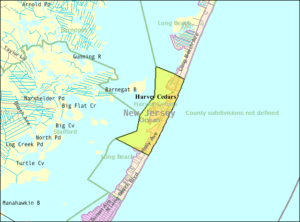
 New Jersey Personal Injury Lawyer