The ABCs of TBI: Traumatic Brain Injuries in Children

It is estimated that 2.5 million children and adults suffer a traumatic brain injury (TBI) in the U.S. each year. Brain injuries can occur from any trauma sustained to the head, such as sports injuries, falls, and car accidents. The American Speech-Language-Hearing Association reports that half a million children visit emergency rooms every year because of traumatic brain injuries. Furthermore, traumatic brain injuries are the leading cause of disability and death in children 0 – 4 and 15 – 19.

Although children have been suffering from head injuries for ages, it’s a topic that has only really been brought to the forefront over the last decade or so. Statistics show that out of the injuries leading to death in children in the U.S., 80% are head trauma injuries.

Some believe that children are more resilient and can “bounce back” quicker than adults who suffer a brain injury. However, research shows that is not the case. In fact, it has been stated that the average child’s skull is only 1/8 as strong as an adult’s, making them much more susceptible and prone to lifelong complications and long-term damage.

Because a child’s brain is still developing, long-term effects of TBI may not be seen until years after the initial accident. Some will have long-term difficulty learning information or interacting in complex social situations due to impairments in cognitive function. Those difficulties can affect their education, job performance, friendships, and interactions with their family.

Learn more about how concussions affect children and the ABCs of TBI.

Children and Concussions

Head trauma and injuries are very common among children, especially in those who play sports. Warnings from doctors and medical professionals to parents on the dangers of sports-induced concussions have been gaining momentum for years. Many assume concussions in children are usually sports-related, but they can happen with any head injury, often without a loss of consciousness.

The brain, which is made of soft tissue and cushioned by spinal fluid, is encased in the hard, protective skull. Typically, the brain can move around inside the skull but if the brain bangs against the skull—for example, in a fall on a playground or against a headrest in a car accident—blood vessels can tear, and the nerves inside the brain can be injured, leading to a concussion.

A child may not feel or display the effects of head traumas, including concussions, right away. Some do not exhibit symptoms for days, weeks, months, or even years. This is especially true in children until their cognitive and emotional skills are better developed.

Determining the full impact of a brain injury in a child can also be extremely difficult. Depending on how old the child is, there may be a limited amount of academic and health records to make a before-and-after comparison. It is always important to monitor a child after trauma to the head occurs for any physical, mental, or behavioral changes.

What Is the ABC Scale for Traumatic Brain Injuries?

The ABC Scale stands for “Activities-Specific Balance Confidence Scale.” It is the subjective measure of confidence in performing various ambulatory activities without falling or experiencing unsteadiness. Professionals can administer the ABC Scale to patients with TBIs through a structured questionnaire and measure a patient’s confidence in performing activities. The test can indicate whether there are activity limitations in performing specific activities.

Spotting Traumatic Brain Injuries in Kids

Sometimes, brain injuries are not always easy to spot. If the injury occurred during an activity, such as skiing or soccer, and a person is not showing any immediate signs, they can be mistakenly perceived as fine.

These are a few of the common symptoms to keep an eye out for:

  • Dizziness
  • Vomiting
  • Decreased Concentration
  • Speech Impairments
  • Confusion
  • Memory Loss
  • Fatigue
  • Severe Headache
  • Reduced Strength
  • Balance Issues
  • Changes in Vision
  • Emotional Changes

A hit to the head can lead to a multitude of brain injuries other than concussions, some of which can only be detected through a CT scan or MRI. Fractures, internal bleeding, and contusions can also go undetected.

A subarachnoid hemorrhage, which is the bleeding in between the tissue that covers the brain, is one of the possible effects brought upon by head trauma. Unfortunately, this type of brain bleeding can occur abruptly. Some of the common signs associated with this condition are:

  • Changes in consciousness or alertness
  • Seizures
  • A sudden, severe headache
  • Nausea and vomiting
  • Muscle weakness in the arms or legs
  • Vision issues
  • Difficulty breathing
  • Inability to swallow or speak

Always see your doctor if your child has received a hit to the head that concerns you or causes any physical, behavioral, or emotional changes. Seek emergency medical care immediately if there are any known signs or symptoms of traumatic brain injury, like those listed above.

Seek Legal Assistance for Your TBI Claim

Brain injuries have been called the “silent epidemic” because public recognition is still extremely low despite the staggering number of people who are injured each year. TBI can affect a child and their families long after the initial impact, making proper diagnosis and treatment so important.

If you need assistance with a child brain injury claim, the compassionate personal injury attorneys at Davis, Saperstein & Salomon, P.C. are here to help. We can help identify your possible path to recovery and help build a claim. Contact us for more information on traumatic brain injuries in children and how we can help.

This article was originally published in November 2018 and has been updated for accuracy and comprehensiveness in August 2021.

The post The ABCs of TBI: Traumatic Brain Injuries in Children appeared first on .

from Davis, Saperstein & Salomon, P.C. https://www.dsslaw.com/blog/the-abcs-of-tbi-traumatic-brain-injuries-in-children/
via https://www.dsslaw.com
Is New Jersey Too Dangerous for Bicyclists?

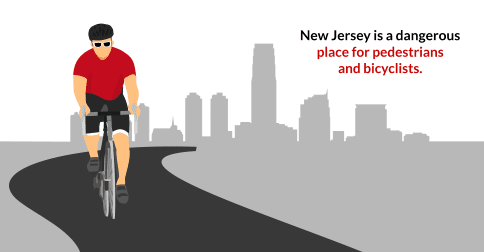
With an average of over 200 bicyclist or pedestrian fatalities each year, we have to wonder, “Is New Jersey too dangerous for bicyclists?” And, what are the best steps our state can take to prevent bicycle accidents?

For the most recent year for which data is available, the New Jersey State Police reports that there were 18 bicyclists and 180 pedestrians who died in traffic accidents in the state. Sadly, it seems, New Jersey is a dangerous place for bicyclists and pedestrians.

According to statistics from the New Jersey State Police, the ages of the fatal victims in the most recent year’s cycling and pedestrian accidents broke down as follows:

Age Cyclist Pedestrian
16 and Under 2 1
17 1 2
18-20 1 3
21-24 0 11
25-29 1 16
20-39 2 24
40-49 2 21
50-64 8 53
65-79 1 34
80 and Older 0 13


Cycling deaths occurred in the following New Jersey counties for the year:


County Number of Deaths
Burlington 3
Camden 1
Cape May 1
Essex 2
Gloucester 2
Hudson 2
Middlesex 5
Morris 1
Ocean 1

The Tri-State Transportation Campaign published an eye-opening report that revealed that 19,551 bicycle accidents occurred in 13 northern New Jersey counties over a 10-year period, including 81 fatal crashes.

According to that report, Bergen County had the highest average yearly crashes (270) during the 10-year analysis period. Hudson County had the highest average yearly crash rate (number of average yearly crashes per 10,000 residents).

The 13 northern New Jersey counties, as a whole, averaged 1,777 bicycle accidents per year, or a crash rate of 2.84.

The five counties with the highest crash rates were:

County Crashes Population Rate
Hudson 239 606,199 3.95
Union 195 526,143 3.71
Monmouth 212 636,612 3.33
Passaic 159 492,363 3.24
Mercer 111 362,077 3.07

The Tri-State report went deep in its analysis and identified the most dangerous roads in each county based on the total number of crashes over a three-year period. The five counties with the highest total crashes in that period were:

County Crashes Most Dangerous Road 2nd-Most Dangerous Road
Bergen 789 Route 505 (40 crashes) Route 507 (36 crashes)
Hudson 643 Rte. 501/Kennedy Blvd. (59) Bergenline Ave. (46)
Monmouth 632 N.J. 35 (57) N.J. 71 (56)
Essex 532 Rte. 506/Bloomfield Ave. (29) Rte. 510/S. Orange Ave. (25)
Middlesex 465 N.J. 27 (36) Route 514 (19)

Based on the statistics above, it may surprise one to learn that New Jersey actually is not the most dangerous state in the country for cyclists – at least in terms of the number of bike accident fatalities per million residents.

According to the most recent figures from the National Highway Traffic Safety Administration (NHTSA), 18 fatal bike crashes occurred in New Jersey for the most recent year for which data is available, or 2.02 per one million residents.

That figure was well below the national fatal crash rate (2.62) and ranked No. 21 in the U.S.

(Florida had the country’s highest fatal crash rate at 7.56, while four states had zero bike fatalities for the year)

It is also worth noting that the League of American Cyclists ranked New Jersey No. 12 on its list of the country’s most “bicycle friendly” states. The organization has also placed six cities within the state on its list of 350 bicycle-friendly communities: Hoboken, New Brunswick, Lambertville, Ocean City, Princeton and West Windsor.

What Can We Do To Make Bicycling Safer in New Jersey?

As the Asbury Park Press investigation points out, there is great debate surrounding what New Jersey can do to make bicycling safer. The most contentious issues are:

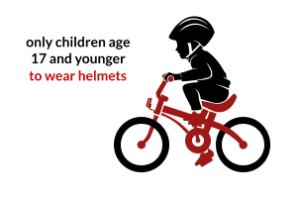
  • Pass a Mandatory Helmet Law Currently, New Jersey law requires only children age 17 and younger to wear helmets. Somehave pushed for making helmet use mandatory for cyclists of all ages, citing studies that show that helmet use reduces the risk of serious head and brain injuries in a crash (including collisions with motor vehicles).
    • Enact a Passing Law – Efforts have been made to pass a law in New Jersey that would require motor vehicle drivers to keep a safe distance when passing cyclists. These are typically called “three-foot passing” laws. Despite previous efforts (A1577/1600), there is currently no law requiring this in New Jersey.
  • Improve road design – New Jersey has taken great strides to improve the design of its streets and highways so they are safer for bicyclists, as well as pedestrians.
  • While these issues continue to be debated, it appears that New Jersey is at least making progress in one major area: Improving the design of its streets and highways so they are safer for bicyclists as well as pedestrians.

    Design-05

    As the Tri-State report notes, New Jersey adopted a “Complete Streets” policy. Under this policy, any new road or road renovation projects must take into account the needs of all users, including cyclists. Additionally, the state’s Department of Transportation has held a series of workshops throughout the state with local leaders to educate them about the policy.

    Certainly, if properly funded, a smarter approach to road design could go a long way towards preventing bicycle crashes within our state.

    At Davis, Saperstein & Salomon, P.C., we will continue to encourage steps that can be taken to improve safety for bicyclists in northern New Jersey and throughout the state. We also will continue to protect the rights of cyclists who have been injured by negligent motorists.

    If you or a loved one has been harmed in a bike accident in New Jersey, contact us without delay to receive a free review of your case and an explanation of your legal options.

    This post was originally published in June 2015 and has been updated for accuracy and comprehensiveness in August 2021.

    The post Is New Jersey Too Dangerous for Bicyclists? appeared first on .

    from Davis, Saperstein & Salomon, P.C. https://www.dsslaw.com/blog/is-new-jersey-too-dangerous-for-bicyclists/
    via https://www.dsslaw.com

    Penalties for Failing to Keep Right on New Jersey Highways

    New Jersey and other states have laws requiring drivers to keep right unless they are passing. These laws promote safety by allowing faster drivers to move through traffic without weaving or passing on the right.

    Under NJ Rev Stat § 39:4-82, drivers in New Jersey must drive in the right lane unless they are passing another vehicle or turning left.

    When a car blocks the left lane, it increases both danger and traffic congestion. Slow drivers encourage other cars to tailgate, which causes a line of drivers traveling too close to one another. Driving too slowly can be as dangerous as driving too fast. In recognition of these dangers, the New Jersey Assembly imposes stiff penalties for drivers who fail to keep right.

    Under NJ Rev Stat § 39:4-88.1, failing to keep right can result in a fine of between $100 and $300. This represents an increase in the former amount of penalties and was designed by New Jersey lawmakers to educate the public and create safer driving habits in the state. As an added method to educate the public, an additional surcharge of $50 is being added to all tickets for failure to keep right. That money goes into a fund to install and maintain road signs educating the public about keeping to the right as the danger and consequences of blocking traffic on major highways like the New Jersey Turnpike or Garden State Parkway. Additionally, the offense will result in two points added to the driver’s record.

    Another part of the failure to keep right law is aimed at truck drivers. Trucks over 5 tons on a divided highway face an increased penalty for driving in the left lane. Trucks may only use the left lane to enter or exit a roadway unless an emergency or within one mile of making a left turn. “Trucks, busses, and commercial vehicles driving in the left-hand lane cause traffic to move slowly and can force other drivers into dangerous situations. It is important for large rigs, busses and tractor-trailers to stay to the right,” says New Jersey truck accident lawyer Marc Saperstein. “I know from my experience the tragic consequences of trucks speeding in the left lane. Often their negligence or their carelessness can cause the wrongful death or injury of other motorists.”

    It is unfortunate that many drivers and their passengers are unnecessarily injured by interstate truckers every year in accidents caused by drivers passing on the right or swerving through lanes. Many of those injured people are our guests from out of state lawfully driving on New Jersey and New York’s interstate highways such as I95, Route I80, 287, or Route 78.

    The lawyers of Davis, Saperstein, and Salomon, P.C., help persons injured in car and truck accidents in New Jersey and New York. They have years of experience handling traffic accident wrongful death cases and they work hard to get accident victims and their families the compensation they deserve. With over 35 years of experience representing people injured in truck accidents, Marc Saperstein understands the complex legal issues involved in these cases. As a lawyer who concentrates his practice in New York and New Jersey, Marc Saperstein handles many trucking accident cases. He is also a Civil Trial Attorney certified by the Supreme Court of New Jersey. Contact Davis, Saperstein & Salomon, P.C. will to receive a free review of your case and an explanation of your legal options.

    This post was originally published in August 2013 and has been updated for accuracy and comprehensiveness in August 2021.

    The post Penalties for Failing to Keep Right on New Jersey Highways appeared first on .

    from Davis, Saperstein & Salomon, P.C. https://www.dsslaw.com/blog/laws-restrict-left-lane-jersey-highways/
    via https://www.dsslaw.com

    What States Have the Best Distracted Driving Laws?

    Every year, thousands of people die in distracted driving accidents. In recent years, a patchwork of laws has been passed in states across the country—laws that vary in scope and penalties. But which laws are most effective at keeping people safe?

    There are many distractions behind the wheel. But perhaps the most common one is technology. Our phones and navigational systems take our minds, eyes and hands away from their primary purpose when driving. Such distractions can significantly increase your risk of an accident.

    How Distracted Driving Laws Vary

    Distracted driving laws are relatively new. In the past, if your distraction caused an accident, you could certainly be charged with careless or reckless driving, but there was no specific law barring distraction. Now, things are different.

    In some states, texting is the only distracting activity banned behind the wheel. In New York and New Jersey, all hand-held cell phone use is banned. In order to use your phone while driving, you must use hands-free tools.

    In some states, distracted driving laws are known as “primary” and as “secondary” laws in other states. These terms refer to how the police are able to enforce the texting or phone bans.

    A primary law is one that allows police to pull a driver over when they see the driver using a phone in violation of the law. A secondary law, however, requires the officer to witness another traffic violation before making the stop.

    In other words, if you are distracted but otherwise driving safely, the police cannot stop you in states with secondary distracted driving laws.

    In New York and New Jersey, the distracted driving laws are primary enforcement laws.

    What Distracted Driving Laws Work Best?

    study from the University of Alabama at Birmingham School of Public Health sought to determine which distracted driving laws are the most effective at saving lives.

    According to a press release from the university, the lead researcher examined in-state changes in highway fatalities after texting-while-driving bans were enacted over a 10-year period.

    The study concluded that states with primary enforcement bans have seen the greatest increase in highway safety. In fact, primary texting bans were associated with a three percent reduction in accident fatalities among all age groups. In states with such bans, that equates to about 19 saved lives each year.

    While one would think secondary laws would have some effect, the study did not find that to be the case. On the contrary, states with secondary enforcement laws saw no significant reductions in traffic accident deaths, according to researchers.

    This study should be analyzed by lawmakers in states with secondary laws. It may prompt those states to change their laws to ones that allow for primary enforcement.

    For people in New Jersey and New York, distracted driving laws may seem like an inconvenience. However, as this study shows, these laws clearly are working to keep us safer.

    According to the National Conference of State Legislatures, the most common legislative approach to reduce distracted driving is to ban texting and hand-held phone use, as well as to prohibit all cell phone use for certain populations, including for teen drivers and school bus operators.

    Currently, 24 states prohibit all drivers from using handheld cellphones while driving. However, no state bans all cellphone use for all drivers. 36 states and Washington, D.C. ban all cellphone use by novice or teen drivers. 23 states and Washington, D.C. ban any cellphone use for school bus drivers. 48 states ban text messaging while driving. As more states realize the tremendous risks of distracted driving, they continue to change their laws. You can check the Governors Highway Safety Association site for the most recent changes in state distracted driving laws.

    Until there are no more distracted driving accidents that claim the lives of victims throughout our community, Davis, Saperstein & Salomon, P.C. will continue to protect the rights of accident victims.

    If you or a loved one was injured in a distracted driving accident, contact us today to receive a free review of your case and an explanation of your legal options.

    This post was originally published in August 2014 and has been updated for accuracy and comprehensiveness in August 2021.

    The post What States Have the Best Distracted Driving Laws? appeared first on .

    from Davis, Saperstein & Salomon, P.C. https://www.dsslaw.com/blog/states-best-distracted-driving-laws/
    via https://www.dsslaw.com

    How a Wrongful Death Lawsuit Works in New Jersey

    Our wrongful death lawyers discuss how a wrongful death lawsuit works in New Jersey.

    Among the most challenging cases that our law firm handles involve the wrongful death of a loved one. Our attorneys realize that the surviving family members we assist are experiencing a mix of extreme anger and tremendous grief.

    As their lawyers, our role is to show compassion while, at the same time, using our legal skills, experience and resources to objectively and carefully evaluate their case and pursue the recovery they are due.

    If you have recently lost a loved one in an accident, it may be helpful for you to get a better understanding of how a wrongful death lawsuit works in New Jersey.

    You may be surprised to learn that, despite the emotional nature of these cases, New Jersey law permits the recovery of only actual financial losses in a wrongful death lawsuit.

    When Can a Wrongful Death Claim Be Pursued in New Jersey?

    A wrongful death claim in New Jersey may be pursued when a person’s death is caused by the “wrongful act, neglect or default of another.”

    A wrongful death lawsuit basically can be brought if the victim – called the “decedent” – could have brought a personal injury lawsuit against another if the victim had not died.

    Like a personal injury claim, a wrongful death lawsuit requires proof of negligence. To establish a party’s liability, four elements must be shown:

    • Duty – The party owed a duty of care to the victim. For instance, the party owed a duty to drive as a reasonable, prudent person and not place other motorists such as the victim at risk of injury.
    • Breach – The party breached the duty owed to the victim such as driving at a dangerous speed on an icy road or driving while drunk or distracted.
    • Causation – The party’s careless actions served as the proximate cause of the victim’s death. In other words, but for the party’s careless driving, the victim would not have been killed.
    • Damages – As a result, those eligible to recover under the New Jersey Wrongful Death Act have suffered actual financial losses.

    We will go into more detail about those damages below.

    Who Can File a Wrongful Death Claim in New Jersey?

    A wrongful death claim in New Jersey must be brought in the name of a personal representative of the victim’s eligible survivors. The representative may be the executor named in the victim’s will. If the victim has no will – a situation that often arises – then the representative would be the person appointed by a probate court to serve as the administrator of the victim’s estate.

    The lawsuit is brought on behalf of surviving family members who would be entitled to inherit from the victim through New Jersey’s intestacy laws. In other words, recovery can be sought by:

    • The surviving spouse and children
    • If there is no surviving spouse and children, then the victim’s surviving parents
    • If there are no surviving parents, then the victim’s surviving brothers, sisters, nieces or nephews.

    To be eligible, the victim must demonstrate “actual dependency” on the deceased victim. In other words, a mere relationship alone will not suffice.

    What Damages Can Be Recovered in a New Jersey Wrongful Death Lawsuit?

    The types of damages that can be sought include:

    • Loss of income – The amount of income that the victim would have actually earned and contributed to his or her survivors. An economist typically calculates this amount and provides expert testimony. The amount typically is determined by taking the victim’s income at the time of death (including fringe benefits) and multiplying it by the number of years in which the victim would have worked. Then, you must subtract income taxes the victim would have paid and the amount he or she would have used for “personal maintenance and expense.”
    • Loss of services – The reasonable economic value – not the emotional value – of the loss of services, assistance, guidance and training that the victim would have provided. Generally speaking, you have to provide evidence of what it would have cost if someone else provided these services. For example: What would a babysitter charge for looking after children? What would a maid charge for cleaning up the home? What would a therapist or business advisor charge?
    • Reasonable funeral and medical expenses – These damages are established simply through bills and receipts.

    The total amount of damages should reflect both the financial losses that the survivors have sustained up to the date of the settlement or verdict and the present value of any future financial losses.

    The ultimate recovery may be offset by certain types of benefits the victim’s family may have received. For instance, the recovery may be offset by workers’ compensation death benefits that were paid to the family.

    Emotional and Punitive Damages in New Jersey

    The pain and suffering surviving family members endure after the unexpected loss of a loved one is unimaginable. However, New Jersey’s wrongful death law only allows family members to seek compensation for actual financial losses, called “pecuniary damages.” This means that emotional damages in a wrongful death claim are not awarded to the surviving family. Likewise, punitive damages are not generally awarded in an accidental death lawsuit in NJ.

    However, it may still be possible to seek emotional damages in a different type of claim that would be pursued alongside a wrongful death claim in New Jersey. For example, surviving family members who witnessed the death and suffered extreme distress about it may be able to seek compensation for emotional damages through a claim for negligent infliction of emotional distress. Additionally, New Jersey’s Survival Act allows the deceased’s estate to recover damages for the pain and suffering the deceased individual endured immediately before death. If the estate recovers these damages, they become part of the estate and may be distributed to the survivors.

    Our dedicated wrongful death lawyers will work closely with you to determine the best path forward. We can discuss filing these other types of claim and their potential success. We can also discuss how we can maximize the recovery of other damages, such as by showing the economic effect of the loss of household services, earning capacity, companionship, advice, and counsel caused by your loved one’s tragic passing. Having a knowledgeable attorney with a firm grasp of the law and its nuances is critical to successfully pursuing all available compensation.

    How Long Do You Have to Bring a Wrongful Death Claim in New Jersey?

    The period of time that one has to bring a lawsuit is called the “statute of limitations.” In New Jersey – as in other states – the statute of limitations depends on the type of case. For a wrongful death case in New Jersey, you typically must bring a claim within two years after the date of the victim’s death.

    An extensive amount of work goes into investigating and preparing a wrongful death lawsuit. So, it is important that you do not wait too long before contacting an experienced New Jersey wrongful death attorney at Davis, Saperstein & Salomon, P.C. if you believe that your loved one died due to the careless, reckless, or intentional actions of another.

    Call us today for a free legal consultation, we will explain your rights and options.

    This post was originally published in September 2015 and has been updated for accuracy and comprehensiveness in August 2021.

    The post How a Wrongful Death Lawsuit Works in New Jersey appeared first on .

    from Davis, Saperstein & Salomon, P.C. https://www.dsslaw.com/blog/how-a-wrongful-death-lawsuit-works-in-new-jersey/
    via https://www.dsslaw.com

    The Ultimate Motorcycle Helmet Guide

    Did you know in most states it is legal for riders 21 and older to ride a motorcycle WITHOUT a helmet? And in three states (Illinois, Iowa, and New Hampshire), no riders are required to wear a helmet? According to the Governors Highway Safety Association, only 18 states, including New Jersey and New York, require ALL riders to wear a helmet. But cross the border into Pennsylvania and riders over 21 are not required to wear any type of helmet, exponentially increasing their chances of traumatic brain injury, disability, and death.

    With the Insurance Information Institute (III) reporting that about 5,000 motorcycle deaths occur nationwide each year, it may come as a shock that more states have not adopted more protective laws. Driving defensively does not guarantee that a motorcyclist will be safe from injury. In fact, motorcyclists are 29 times more likely than passenger car occupants to die in a crash, according to the III. Factors like congested streets, distracted drivers, and debris on roadways become especially dangerous to motorcycles. No level of experience guarantees that a crash can be avoided. The best way for motorcycle riders to protect themselves should an accident occur is by wearing the appropriate safety equipment, which includes a properly-fitting helmet regardless of mandated state laws.

    According to the Centers for Disease Control and Prevention, helmets reduce the risk of death from a motorcycle accident by 37% and reduce the risk of head injury from an accident by 69%. Without a car’s structural protection or the stability of four wheels, motorcycle riders involved in a crash are more likely to suffer serious traumatic brain injuries or death. When the only thing protecting a rider’s head from direct impact is a helmet, it becomes imperative to their safety to wear one. Yet, the number of motorcyclists who wear helmets when riding has been decreasing over the past decade. The National Highway Traffic Safety Administration (NHTSA) estimates that only 58% of motorcyclists nationwide wear helmets while riding.

    In New Jersey and New York, all motorcycle operators and passengers are required to wear Department of Transportation (DOT) approved helmets. This standard defines minimum levels of safety that helmets must meet to protect the head and brain in the event of a crash. There are, however, different types of helmets and different types of helmet certifications. The most common types of helmets for road bikes are full face, open face, and half helmets.

    Full Face Helmets cover the top, back, and sides of the head, and include a shield to protect the face. This safeguard can serve to protect against flying debris. These helmets also have a chin bar, which helps protect the chin and jaw in the case of a crash.

    Open Face Helmets cover the top, back, and sides of the head, but do not include any face protection, leaving the area exposed to potential roadway debris. These helmets do not include a chin bar, so in the event of a crash, the chin and jaw have no protection.

    Half Helmets are the least protective of the three helmets. They cover the top of the head to about halfway down the back of it. This leaves the back of the head, sides, forehead, and face unprotected. Additionally, the chin, jaw, and face are fully exposed. This type of helmet leaves riders most vulnerable in the event of a crash.


    Image from Davis Saperstein & Salomon, P.C. video discussing the importance of helmet safety in New Jersey.

    There are two main certifications for helmets sold in the United States: DOT and Snell. DOT standards provide the most basic requirements for motorcycle helmets by regulating the helmet’s strength during impact, field of view, penetration resistance, and labeling. Unfortunately, DOT does not provide any testing or quality assurance for helmets. DOT-approved helmet manufacturers are instead subject to random testing by other independent contractors.

    Snell standards are regulated by the Snell Memorial Foundation and are tougher than DOT standards. Not only does Snell have more stringent requirements for impact and penetration testing, it also requires much stricter testing on its helmets. In order for a helmet to receive the Snell certification, it must first pass rigorous requirements then be scrutinized in a lab by Snell technicians. According to Snell, its technicians regularly purchase samples of Snell-certified helmets available to consumers and bring them into its own labs for follow-up testing. Snell certifications must be applied for and earned by the manufacturer.

    The most important factor to consider when purchasing a helmet is your own personal safety. Look for helmets with:

    • Thick inner liner
    • Strong shell made of fiberglass composite, carbon fiber, or EPS
    • Sturdy chin strap and rivets
    • Weight of 3 pounds (Helmets meeting FMVSS 218 generally weigh about 3 pounds)
    • DOT label
    • Snell label

    You can also look for helmets that feature the latest safety features, thanks to current technology. Some helmets have an emergency cheek pad system that gives first responders easier access to an injured rider’s head. The Multi-Directional Impact Protection System (MIPS) is technology inside the helmet that helps reduce rotational forces resulting from certain types of impacts.

    Once you have selected the appropriate helmet model, it is equally important to have it correctly sized. Loose or improperly fitting helmets can affect safety and a rider’s peripheral vision. The NHTSA provides the following tips to select the right helmet:

    • Avoid using novelty helmets, which are not made for safety.
    • Pick the right shape for your head, such as round oval, long oval, or intermediate oval.
    • Use a cloth tape to measure your head to choose the right size helmet
    • A correctly-sized helmet will not move around, sit down completely on your head, or be too tight. It should be snug without creating uncomfortable pressure points.
    • If you feel pressure points on the side of your head while wearing the helmet, this may indicate the helmet is too oval for the shape of your head.
    • Try wearing a helmet for 30 to 45 minutes to check for pressure points before you use it on a ride.
    • Your helmet should feel equally snug around the crown and tight in the cheeks.
    • Check the helmet’s safety rating before purchasing it.

    Always remember wearing a helmet can significantly increase the chances of survival and decrease the chance of head injury in the event of an accident. Once a helmet has been involved in a crash, it should immediately be discarded as the structural integrity may have been compromised.

    If the state you are riding in does not require motorcyclists to wear helmets, always consider the safety benefits of wearing one. It may save your life!

    This post was originally published in February 2019 and has been updated for accuracy and comprehensiveness in August 2021

    The post The Ultimate Motorcycle Helmet Guide appeared first on .

    from Davis, Saperstein & Salomon, P.C. https://www.dsslaw.com/blog/the-ultimate-motorcycle-helmet-guide/
    via https://www.dsslaw.com

    Is Your Teenager Drinking (and Driving)?

    It’s a parent’s worst nightmare — a phone call or knock on the door informing them their teen died in a drunk driving accident. And far too often, these bad dreams are a reality. Alcohol use presents one of the greatest threats to teens’ health and safety today, especially when paired with driving.

    According to the Centers for Disease Control and Prevention (CDC), teenagers are at the highest risk of dying in drunk driving accidents. Around 16 percent of drivers aged 15 to 18 killed in motor vehicle accidents in a recent year had been drinking before their crashes.

    Here, we discuss the problem of underage drinking and the role it plays in teen driving crashes in New Jersey and throughout the United States.

    Statistics Show a High Rate of Underage Drinking

    Teens are more likely to use alcohol than cigarettes or marijuana.

    Drinking alcohol is illegal for anyone under 21 in the United States. But despite the law, surveys show that underage drinking frequently happens among the nation’s youth.

    Consider these statistics from the most recent CDC’s Youth Risk Behavior Survey. Among U.S. high school students:

    • One in three students reported current alcohol use.
    • 13.7 percent admitted to binge drinking.
    • 16.7 percent of teens rode with a driver who had been drinking at least once within 30 days before the survey.
    • 5.4 percent admitted to drinking and driving in the 30 days preceding the survey.
    • 3.1 percent reported the largest number of drinks they had in a row was 10 or more.

    In addition, the National Institutes of Health (NIH) found nearly a quarter of 14 to 15-year-olds reported having at least one drink in a recent year. Not only that, 7 million young people between 12 and 20 acknowledged drinking alcohol beyond more than “a few sips” in the past month.

    Consequences of Teen Drinking and Driving

    Underage Drinking and Drunk Driving Accidents

    The teen years represent a tremendous time for growth and development. Teenagers seek independence, and there is no greater rite of passage than getting a driver’s license.

    Unfortunately, the desire for freedom is sometimes accompanied by rebelliousness and poor judgment. That’s where alcohol comes in. Drinking is just one type of rule-breaking that seems like fun but can quickly turn deadly.

    Because their bodies are still developing, alcohol has a much stronger effect on teenagers than adults. Studies show teens have a much higher risk of being involved in a crash after drinking than older drivers, even when their blood alcohol concentration (BAC) is under the legal limit of 0.08. Combined with less experience behind the wheel and developmental immaturity, it’s easy to see how easily teen drunk driving accidents can happen.

    What Can Parents Do About Underage Drinking?

    If you are concerned your teen is drinking, you can address the problem in the following ways:

    • Talk to them. Your best results will come from fostering a safe, judgment-free relationship with your teen. If you can open the door for an honest conversation, your teen will be more likely to seek you out for guidance — or a safe ride home if they get into an unexpected situation with peers.
    • Explain the rules. As soon as your teen gets their license, sit down to discuss your expectations for driving and outline the consequences that will come if they violate the rules by drinking alcohol.

    Get them help: Clearly, access to alcohol starts early. If you suspect your child has a drinking problem, get help from a doctor and counselor right away.

    It’s Personal to Us

    At Davis, Saperstein & Salomon, P.C., we take drunk driving prevention seriously.

    One of our attorneys, Steven Benvenisti, developed a powerful program about the dangers of underage drunk driving. He presents the program at schools throughout New Jersey and the country.

    The program, “The Most Significant Case of My Entire Career,” is based on Benvenisti’s own experience. A drunk driver hit Benvenisti many years ago when he was a college student, causing him to suffer life-threatening injuries.

    Benvenisti donates all honorariums and proceeds from the program and from a book he wrote about his experience to Mothers Against Drunk Driving (MADD) and the Brain Injury Alliance of New Jersey.

    As part of his program, he gives the audience a “Contract for Life.” In the contract, students promise they will never drink and drive, get into a car with someone who has been drinking, or allow a friend to drink and drive. Parents agree to pick up their children if they call for a ride without any questions asked.

    Get Help from an Experienced New Jersey Car Accident Lawyer

    If you or someone you care about is injured due to a teen drunk driving accident, contact Davis, Saperstein & Salomon, P.C. Our New Jersey car accident attorneys will help you throughout this troubling time. We will work aggressively to pursue just compensation for you and your family.

    This post was originally published in April 2017 and has been updated for accuracy and comprehensiveness in July 2021.

    The post Is Your Teenager Drinking (and Driving)? appeared first on .

    from Davis, Saperstein & Salomon, P.C. https://www.dsslaw.com/blog/is-your-teenager-drinking-and-driving/
    via https://www.dsslaw.com

    Amusement Park Accidents and Safety – What You Need to Know

    happy-friends-amusement park on summerWith summer kicking into high gear, stories of amusement park accidents and injuries are beginning to flood the news. Though amusement parks are a large part of summer vacation and warm weather fun, they also come with huge risks.

    Just recently, on June 13, 2021, two attendees suffered injuries after a malfunction on the log flume ride at Six Flags Great Adventure in Jackson, New Jersey. According to witnesses, the boat tipped at an angle, causing two adults to be taken to the hospital. After initial news of the accident, video quickly surfaced of what looks to be an alleged broken rail at the bottom of the drop. Thankfully, the two individuals were not seriously injured.

    According to online articles, there are an average of over 4,000 amusement park injuries in the United States each year. In New Jersey, more injuries occur in water parks than any other kind of amusement park. Data from 2009-2014 shows that overall, 40% of all accidents happened in some form of a water-related ride. Perhaps one of the most notorious and devastating waterpark accidents happened in 2016, when 10-year-old Caleb Schwab was killed on a waterslide at the Schlitterbahn waterpark in Kansas. The waterslide, named Verruckt, appeared in the Guinness Book of World Records for its height—168 feet, 7 inches. Preliminary investigations showed that Caleb died of a fatal neck wound after authorities say his raft went airborne and struck the netting system placed above the slide. Two women on the raft with Caleb suffered serious facial injuries. The tragedy sparred debate and investigations into often overly relaxed regulations at amusement parks throughout the country. It also revealed that the Kansas Department of Labor had not inspected the waterslide since its opening in 2014.

    In 2019, New Jersey Advance Media reported a story about a physician suing Six Flags Great Adventure for injuries he suffered on the Kingda Ka rollercoaster. The doctor, who owns and operates a surgery center in Monmouth County, claims he suffered severe and permanent injuries after riding the immense coaster, including whiplash-type damage to his neck and spine.

    The doctor alleges that as he boarded the ride in April 2017, he asked an attendant to adjust the harness because it was uncomfortably tight against his shoulders. As he was lunged into the air, the harness pressed sharply onto his shoulders, getting tighter as the ride continued. According to the suit, the doctor “suffered excruciating, unbearable pain in his shoulders.”  These symptoms worsened over the next few weeks, and after being examined, the doctor’s injuries included an “acute rupture of at least two intervertebral discs in his cervical spine”, which caused the discs to “spill their contents in his spinal canal”, leading to severe tissue damage. The lawsuit alleges that the design of the coaster was defective and flawed, therefore leading to his injuries. It also states that the defendants are responsible “for failing to warn taller riders…that they cannot safely ride the ride.”

    Though New Jersey regulates consumer amusement park attractions, there is a major restriction in the law, as normally, a person has two years to file a lawsuit. However, if someone is injured on an amusement park ride, they are required to file a special Written Report of Accident with the amusement park operator within 90 days of the accident or make sure that the incident was reported at the time of the accident in the appropriate manner.

    According to Davis, Saperstein & Salomon P.C. Senior Partner Samuel Davis, cases against amusement parks require the filing of lawsuits where the  park is alleged to be negligent in the way they maintained an attraction, harnessed a rider, spaced  out riders, or accelerated an attraction,  or just plainly, maintained the rides. Often, the company that designed or manufactured the ride is targeted in a suit.

    Settlements regarding lawsuits against amusement parks vary but have reached as high as the multi-millions. Less than a year after his untimely death, Caleb Schwab’s family received a record-breaking $19,732,125, paid by four parties:

    • $14 million from SVV 1 and KC Water Park. These two companies are associated with Schlitterbahn, the waterpark in which Caleb died.
    • $5 million from Henry & Sons Construction, the contractor of the water slide.
    • $500,000 from Zebec of North America, the manufacturer of the raft that Caleb was riding on.
    • $232,125 from National Aquatic Safety Co. and its founder, which consulted on the water slide.

    It is important to understand that each state has a different “statute of limitations” (time restraint to file your claim). In New Jersey, a person has, 90 days to notify the amusement operator of an intention to sue;  two years from the time of the incident to file a lawsuit with the court unless you were injured by a state entity or municipality, in which case a Tort Claims Notice must be filed within 90 days, with the town, city and state all filed personally.  If someone was injured in another state, the timelines may differ.

    Those injured in amusement parks can call the personal injury lawyers at Davis, Saperstein & Salomon P.C. We offer free advice about how to preserve a person’s right to sue an amusement park by following the law and filing a Notice of Claim with the owner of the Amusement Park and the Operator of the Amusement Park attraction within 90 days from the date of injury. It is in the best interest of an amusement park accident victim to speak with one of Davis, Saperstein & Salomon’s lawyers, who are experienced in suing amusement park operators for causing harm to a park customer. With consultations offered for free, call us to discuss your situation to determine whether you are eligible for compensation.

    The post Amusement Park Accidents and Safety – What You Need to Know appeared first on .

    from Davis, Saperstein & Salomon, P.C. https://www.dsslaw.com/blog/amusement-park-accidents-and-safety-what-you-need-to-know/
    via https://www.dsslaw.com

    Motorcycle Accident with Ambulance settles for $4.5 million

    The reporting of this claim is subject to a qualified confidentiality agreement requiring non-disclosure of the defendant Robert Wood Johnson as a defendantThe case reference may be published as

    KADUBIC v. MEIZENIS

    DOCKET NO. MON- 3969-18

    Motorcycle Accident with Ambulance settles for $4.5 million

    A motorcyclist colliding with an ambulance having its lights and sirens activated settled on December 10, 2020 during mediation before the Hon. Eugene J. Codey, for $4.5 million dollars after suing the driver for negligence in failing to take proper precautions while entering a controlled intersection.

    Synopsis

     $4,500,000 RECOVERY-MOTOR VEHICLE NEGLIGENCE- AMBULANCE EN ROUTE TO HOSPITAL WITH LIGHTS AND SIRENS ACTIVATED COLLIDES WITH MOTORCYCLIST AT INTERSECTION- PLAINTIFF SUFFERS CLOSED HEAD INJURY, FACIAL AND ARM FRACTURES AND TRANSVERSE PROCESS FRACTURE

    Monmouth County, NJ

    The 47-year-old plaintiff motorcyclist contended that as he as proceeding with a green light eastbound on Highland Avenue in Franklin Township, NJ intersecting with Franklin Boulevard  he was struck by an ambulance with lights and sirens activated while  en route to a local hospital  carrying a motorcyclist injured from a different collision.   The Plaintiff was thrown from his motorcycle asserting that he suffered multiple facial fractures, fractures of his mandible, left humerus, left articular process, C5-C6 herniated disc, PTSD, loss of consciousness and mild traumatic brain injury secondary to concussion.  Plaintiff underwent 5 surgeries.

    The incident occurred as the plaintiff was en route to meet his wife at the local Elks Lodge.  The plaintiff maintained that as he was proceeding with a green light the defendant ambulance having its lights and sirens activated suddenly entered the intersection resulting in an unavoidable collision.  At the time of the collision the ambulance was en route to the local hospital’s emergency room transporting an injured motorcyclist from an entirely different earlier collision.  The plaintiff produced an accident reconstruction expert that concluded that the plaintiff could not have avoided the collision.

    The defendant, an experienced ambulance driver contended that he had a red light but that he took reasonable precautions by stopping, as required by the law, prior to entering the intersection.  The defendant had provided his insurance carrier with a statement indicating that he saw the plaintiff about a block away when he stopped at the intersection but assumed that the motorcyclist would yield to the ambulance.

    Upon impact the plaintiff was thrown from his Harley landing on his left side fracturing several facial bones including a comminuted fracture of his left humerus all requiring surgery; and left C7 transverse foramen fracture.  In addition, plaintiff suffered a partial hearing loss, PTSD and traumatic brain injury with mild cognitive short-term memory deficits.  Despite the traumatic injuries’ plaintiff made a relatively good recovery but continued to experience short term memory loss and mood swings.

    At the time of collision, the plaintiff was employed as a private commercial jet pilot and asserted a disputed wage loss.   By virtue of his spouse being a state employee, all medical bills were paid by private health care without right of subrogation.

    The investigating police officers determined that the plaintiff was proceeding within the 25-mph speed limit and that the motorcyclist’s view was obstructed by reason of several utility and traffic signal poles, trees, bushes, shrubs, fences and cars lawfully parked in their driveway.  The inadmissible official police report also indicated that the plaintiff likely could not hear the siren due to the noise of the motorcycle and the direction of the ambulance.

    REFERENCE

    To establish liability the plaintiffs retained the services of  Robert Klingen, of Klingen & Associates , Mahwah, NJ  who reconstructed the accident with data and scene  measurements  relying upon   N.J.S.A. 39:4-91(a) which requires that drivers shall yield the right of way to an emergency vehicle when the vehicle is operating with an audible warning device and is equipped with at least one lighted red light visible for at least 500 feet to the front of the vehicle.  The statute in paragraph (b) also requires that the “driver of an authorized emergency vehicle is not relieved from the duty to drive with due regard for the safety of all persons, nor shall it protect the driver from the consequences of his reckless disregard for the safety of others.”    To further establish liability, plaintiff’s retained the services of Gary Ludwig, of the Ludwig Group, Champagne, IL, a nationally recognized EMS and fire expert witness who referenced the New Jersey statute as well as the Emergency Vehicles Operation Course standards noting that 68% of EMS vehicle accidents occur despite sirens and lights being activated.

    Plaintiff’s counsel assembled the usual array of orthopedic records and narrative reports summarized by Cary Skolnick, MD of Medico-Legal Evaluations of Morganville, NJ.  For cognitive deficits plaintiff was evaluated by neuropsychologist George J. Carnevale, Ph.D., of Clifton, NJ. finding verbal fluency deficits.  Plaintiff’s counsel retained Edmund Provder of Occupational Assessment Services, Inc. Lodi, NJ to test plaintiff and render an employability and earning capacity study.

    The case settled on December 10, 2020 during noon-binding mediation before the Hon. Eugene J. Codey, Jr. P.J. JSC. (Retired) for the sum of $4,500,000 representing pain and suffering harms and losses.

    Attorney for Plaintiff:  Garry R. Salomon  and Adam B. Lederman, partners of Davis, Saperstein & Salomon, P.C. in Teaneck, NJ.  jointly represented the plaintiffs.  Defendant was represented by John A. Camassa, of the Camassa Law Firm, Wall, NJ.

    COMMENTARY:  The plaintiff was married within a year of the collision date.  The newlywed couple enjoyed outdoor activities including scuba diving, flying, hiking, exercise, and extensive and frequent world travel.  Noting two prior on the job injuries, two prior back surgeries, surgeries to both shoulders, and high blood pressure defendant argued that plaintiff’s career and earning capacity was cut short by the collision. Defendant’s vocational expert Karen E. Cauthen, MS LCR CSC of AFG Life Care Associates determined that the plaintiff had an earning capacity despite his injuries of up to $100,000 per year.  The names of defendant and other identifiers are subject to a qualified non-disclosure agreement.

    The post Motorcycle Accident with Ambulance settles for $4.5 million appeared first on .

    from Davis, Saperstein & Salomon, P.C. https://www.dsslaw.com/blog/motorcycle-accident-with-ambulance-settles-for-4-5-million/
    via https://www.dsslaw.com

    Workforce Victories: OSHA and Protecting the Rights of Construction and Labor Workers

    A construction worker at Ramapo College of New Jersey was severely injured in an explosion involving a pipe-valve on Tuesday, February 16th, 2021. According to reports, the worker was struck in the head by a valve cap while performing a pressure test. He was taken to Hackensack University Medical Center, and at the time of this writing, is in critical condition. Construction at the college has been halted until the Bergen County Prosecutor’s Office and OSHA can complete an investigation.

    Our thoughts are with this worker and his family during this scary time. Unfortunately, safety has always been a critical issue for construction and labor workers. Working hands have always been the driving force for American progress, yet the act of securing safe and regulated conditions for the American worker has been “under construction” for over a century.   Despite stricter OSHA laws, court room victories and construction site improvement s many workers continue to face daily hazardous working conditions. According to OSHA’s website, in 2019, 5,333 workers died while performing their job, which averages out to be about 15 deaths a day.

    At the turn of the century, the nation began taking notice of the workforce plight. Newspapers and books began shining a light on deplorable conditions. Books like Upton Sinclair’s shocking 1906 novel The Jungle, which detailed the horrors workers experienced in Chicago slaughterhouses became an immediate best seller.

    Hazardous work conditions continued well into the 20th century. The 1960s saw workers fight for regulations on general job safety. On December 29, 1970, President Richard Nixon signed into law the Williams-Steiger Occupational Safety and Health Act, which gave the Federal Government the authority to set and enforce safety and health standards for most of the country’s workers.

    The Occupational Safety and Health Administration, better known as OSHA, is the federal agency that was created under the Act and has the authority to issue workplace health and safety regulations including limitations on hazardous chemical exposure, requirements for personal protective equipment, and requirements to prevent falls and hazards from operating dangerous equipment.

    By law, employers must provide their workers with a workplace that does not have serious hazards and must comply with OSHA safety and health standards. It also requires that employers must first try to eliminate or reduce any hazards in the workplace by making changes in working conditions.

    Additionally, under OSHA, workers have a right to:

    • Working conditions that do not pose a risk of serious harm.
    • File a confidential complaint with OSHA to have their workplace inspected.
    • Receive proper information and training.
    • File a complaint with OSHA if they have been retaliated or discriminated against by their employer as the result of requesting an inspection or using any of their other rights under OSHA.

    According to Garry R. Salomon, a partner and certified civil trial attorney at Davis, Saperstein & Salomon, PC, “ the enactment laws protecting construction and other workers have saved thousands of workers lives by requiring employers to provide safety equipment and protocols to their workers and requiring workers to follow them.  Yet, cutting corners, saving money and short cuts result in injury, disability and death.  There is much work to be done in this area. “

    Normally, New Jersey Worker’s Compensation laws provide workers and their families with limited benefits; however larger settlements can be achieved if an employer willfully ignores or violates OSHA laws or if a third party was responsible.  Injured workers can find out whether they qualify for larger settlements by speaking with an experienced personal injury lawyer who often can with the help of OSHA experts determine if an injured worker will qualify for a separate pain and suffering award.

    The injured construction worker legal team at Davis, Saperstein & Salomon, PC have the requisite skill and experience to provide such assessment as part of a free consultation.

    The post Workforce Victories: OSHA and Protecting the Rights of Construction and Labor Workers appeared first on .

    from Davis, Saperstein & Salomon, P.C. https://www.dsslaw.com/blog/workforce-victories-construction-and-labor-workers/
    via https://www.dsslaw.com

    Design a site like this with WordPress.com
    Get started